Picture your morning coffee looking out over the Elizabeth River, watching tugboats glide by as the ferry crosses to Norfolk. If that sounds like your pace, Portsmouth offers a rare mix of historic streets, marinas, and an active working harbor. You want the view, the access, and a clear picture of what day-to-day life really feels like on the water. In this guide, you will learn about home options, boating access, the ferry, maintenance realities, and smart buying tips tailored to Portsmouth. Let’s dive in.
What life on the Elizabeth River feels like
Portsmouth sits right across from downtown Norfolk, and the waterfront is very much alive. The Port of Virginia operates in the area, so you will see ships, cranes, and occasional heavy-lift moves that support regional industry. That working-harbor character adds energy and interest to the view and reminds you this is a true maritime city. The Port of Virginia’s overview highlights how active the riverfront is.
At the same time, Olde Towne offers a walkable waterfront with a seawall, boardwalk, museums, and dining. You can stroll the river, then slip into a cafe or gallery a block away. That blend of historic neighborhood and harbor views is a signature of Portsmouth’s waterfront. Explore the Olde Towne waterfront experience.
Waterfront vs. water-view homes in Portsmouth
Understanding the difference between waterfront and water-view homes helps you focus your search.
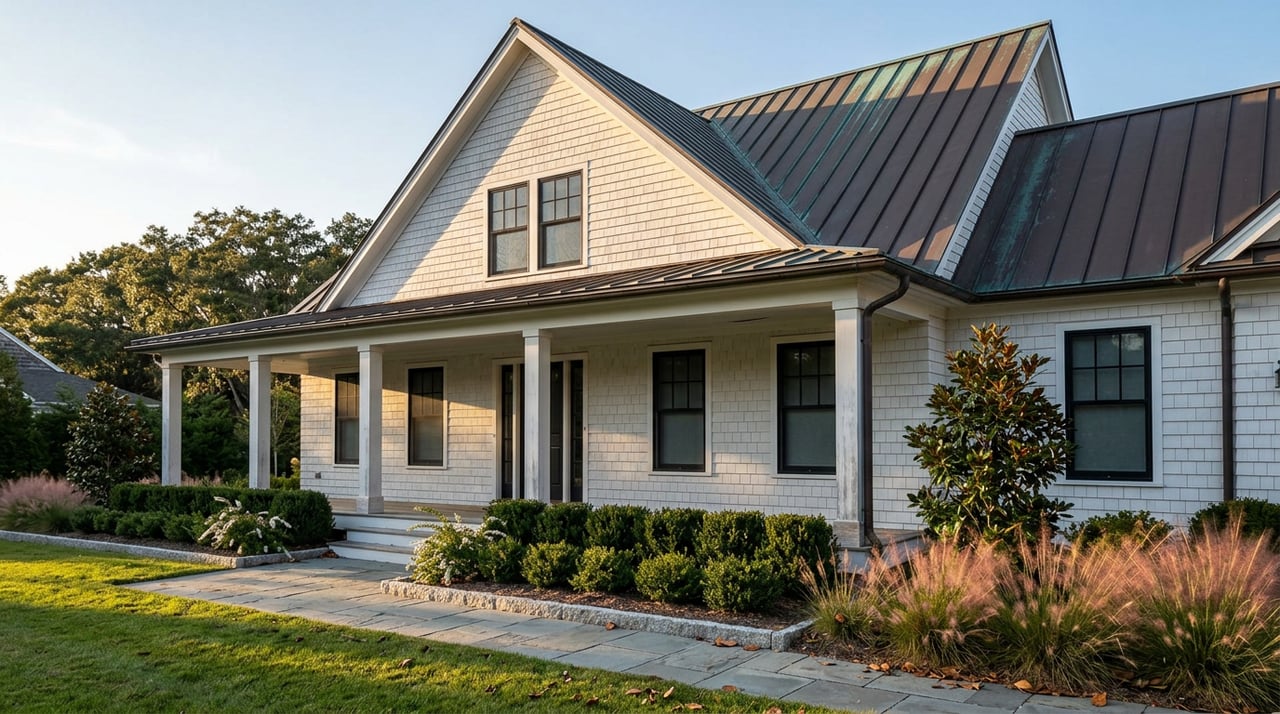
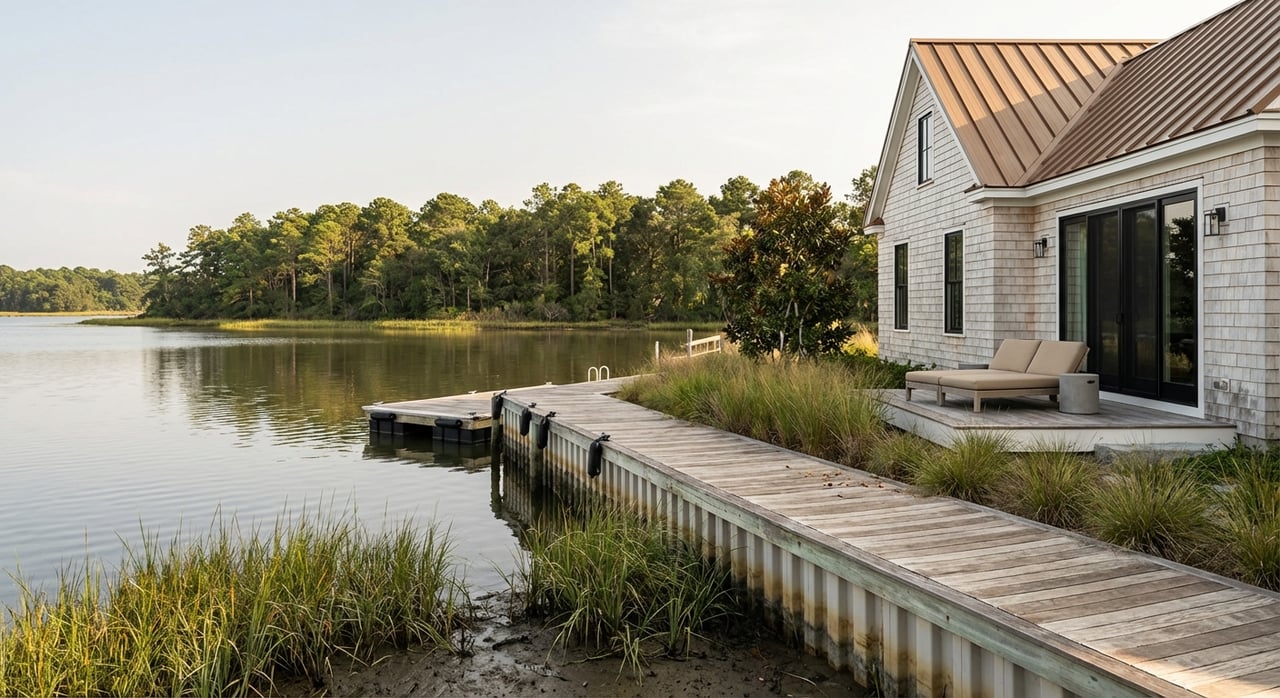
- Direct waterfront: These single-family homes sit on the shoreline and may include a bulkhead, revetment, or private pier. You get immediate boat access and wide views. Expect more hands-on maintenance of docks and shoreline structures.
- Marina-adjacent: If the property does not have a private pier, you can keep your boat at a nearby marina. This is common for larger boats or when a lot’s shoreline cannot support a private dock.
- River-view condos and townhomes: In Olde Towne and nearby blocks, you will find condos with big-water views and easy access to the boardwalk and dining. You get the view and walkability without dock upkeep.
- Peninsulas and point properties: Some older neighborhoods include point or lagoon settings with broader exposures and, in some cases, deeper water. Styles and ages vary, and the lifestyle leans more residential and quiet.
Which fit your lifestyle
- If you want to step onto your own boat, look for direct waterfront with an existing pier or room to build, pending permits.
- If you want a low-fuss view and walkability, target river-view condos in Olde Towne and surrounding streets.
- If you prioritize boating but not dock maintenance, plan to berth at a marina close to home.
Boating, marinas, and getting on the water
Portsmouth has a strong boating network. If you are a serious boater, you will want slip access, fuel, pump-outs, and services nearby.
- Shipwright Marina: Family-owned on the Elizabeth River, it offers pump-outs, a travel lift, and markets bridge-free access to the bay. That can shorten run times to open water. Learn more about Shipwright Marina.
- Nautical Boats: A local marina with dozens of slips and convenient berthing in the city. See details on Nautical Boats.
Public access is solid too. Neighboring Norfolk lists kayak and canoe put-ins that many Portsmouth paddlers use. Short evening paddles or early-morning kayak sessions are easy with these nearby launches. Browse the regional kayak and canoe access list.
Easy cruising routes
Many local marinas highlight quick access to the Intracoastal Waterway and the Chesapeake Bay. Some, like Shipwright, emphasize routes without bridge delays, which is a big perk if you cruise often. Check amenities and routes at Shipwright Marina.
Car-free connections: the Elizabeth River Ferry
You can live on the Portsmouth side and still reach downtown Norfolk fast without driving. The Elizabeth River Ferry runs year-round and is used by both commuters and leisure riders. Expect typical 30-minute headways, with more frequent service in peak summer and special event schedules for things like ballgames at Harbor Park. For a current snapshot, review the HRT ferry route page.
Daily realities to plan for
Waterfront life is beautiful and dynamic. Here are the practical tradeoffs to weigh as you shape your wish list.
- Commutes and tunnels: Many residents cross the Elizabeth River to work. Your options include the Midtown and Downtown tunnels and the MLK Freeway connections. Construction, tolling, and operations can influence travel times, so build a buffer into your schedule. For background on the network, see the Elizabeth River Tunnels Project overview.
- Working harbor sights and sounds: Port terminals and the Norfolk Naval Shipyard support the local economy, and that activity can create occasional industrial noise, truck movement, and visible operations. If you value harbor watching, it adds interest. If you need quiet at all hours, choose locations set back from terminals. The scale of regional port activity is outlined by The Port of Virginia.
- Views and privacy: Boardwalks and marinas are social and scenic. If you live next to popular walking areas, expect a lively scene and less privacy. If you prefer a calmer setting, look at peninsular neighborhoods away from the main promenade. The Olde Towne waterfront offers that vibrant, walkable feel.
Owning on the water: maintenance and permitting
Buying on the Elizabeth River involves a few extra considerations that are easy to manage when you plan ahead.
- Bulkheads, piers, and docks: Shoreline structures require periodic inspections, upkeep, and eventual replacement. Design and exposure matter. Vertical bulkheads, stone revetments, and living shorelines each perform differently over time. The Virginia Institute of Marine Science provides guidance on resilient shoreline design. Explore VIMS materials on shoreline management and living shorelines.
- Salt and humidity: Coastal air can speed up corrosion and wear. Plan on more frequent exterior paint touch-ups, hardware checks, and HVAC condenser care. Your inspection and annual maintenance routine will go a long way here.
- Insurance and running costs: Flood insurance needs vary by property elevation and FEMA mapping. Dock and slip fees, pump-outs, and hull care are common for boaters. Instead of guessing, get a current flood-insurance quote and a professional inspection during due diligence so you know the numbers for that specific address.
Permits and who to call
Shoreline and in-water work in Virginia often involves multiple agencies. Many projects use a Joint Permit Application process that can include the Virginia Marine Resources Commission, the U.S. Army Corps of Engineers, and the city permitting office. Timelines and requirements vary by project type, so start early. A helpful overview of the process is available here: permits and the JPA in Virginia.
Tips for choosing your waterfront lifestyle
Use these simple checks to narrow your options fast.
- Ride the ferry during typical commute times if that is part of your plan.
- Visit listings at different times of day to understand activity, light, and noise.
- Ask your agent for the property’s flood zone, base flood elevation, and most recent elevation certificate, if available.
- Inspect the shoreline and any existing bulkhead or pier with qualified pros.
- If you own a boat, map the run time to the bay and note any bridges.
- If you plan to berth at a marina, confirm slip availability, services, and waitlists.
- Consider privacy preferences near boardwalks and busy marinas.
- Budget for routine exterior and shoreline maintenance.
How The Foundry Group helps
Choosing the right waterfront fit is part lifestyle and part logistics. You want a team that understands the river, the commute, and the permit basics, and can keep your transaction moving with clear steps. As a veteran-led, locally focused team serving Hampton Roads, we blend discipline with high-touch service. We support military and relocation timelines, coordinate digital tours when you are out of town, and bring modern marketing and negotiation to every deal. Whether you are targeting a quiet river-view condo or a pier-ready lot, our process keeps you informed and confident from search to close.
Ready to explore Portsmouth’s waterfront with a trusted local guide? Connect with The Foundry Group to start your search or get a game plan for your sale today.
FAQs
Can I keep my boat at home in Portsmouth?
- Sometimes. If your lot has a private pier or allows for one, it may be possible, but in-water work often requires permits through a Joint Permit Application that can include VMRC, the U.S. Army Corps, and the city; marinas are a good alternative when private docks are not feasible. See this overview of permits and the JPA process.
Is the Elizabeth River Ferry practical for commuting?
- Yes. The ferry runs year-round with typical 30-minute headways and added frequency in summer and for special events, making it a reliable car-free option; check the HRT ferry route page for current schedules.
What waterfront maintenance should I plan for in Portsmouth?
- Expect periodic inspections and repairs for bulkheads, pilings, and docks, plus more frequent exterior upkeep due to salt and humidity; VIMS offers guidance on shoreline management and living shorelines.
Will I hear shipyard or port activity near the water?
- Possibly. Portsmouth’s waterfront includes active port terminals and shipyard operations that can create intermittent industrial noise and visible heavy-lift activity; the scale of operations is outlined by The Port of Virginia.
Where can I launch a kayak near Portsmouth?
- Local paddlers often use regional public put-ins and ramps listed by neighboring Norfolk, making short paddles easy from Portsmouth; see the kayak and canoe access locations.
How do the tunnels affect daily commuting from Portsmouth?
- Many residents use the Midtown and Downtown tunnels and the MLK Freeway connections to cross the river, and traffic or operations can impact travel times; the Elizabeth River Tunnels Project explains the system’s background and improvements.