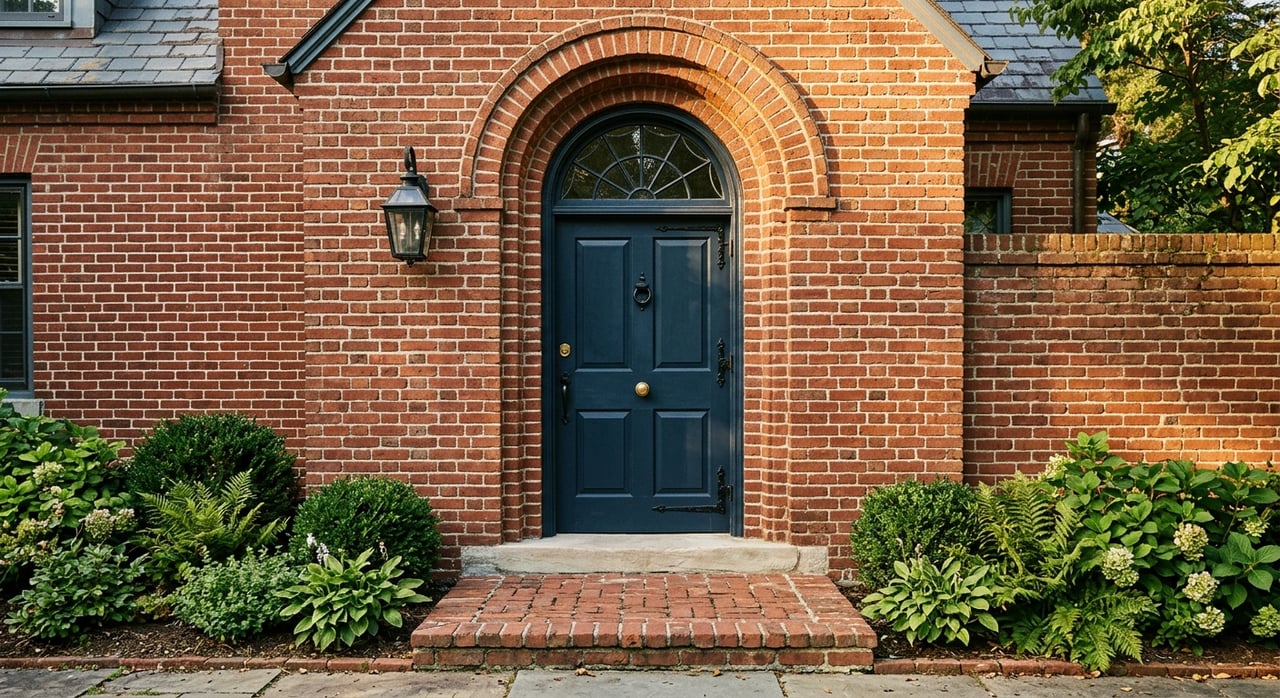
Wondering how to sell a historic home in Portsmouth without losing time, value, or buyer confidence? If your property has original details, a place in one of the city’s local historic districts, or a long paper trail of past work, your sale needs more than standard prep. You need a clear strategy that protects the home’s character, keeps you aligned with local rules, and helps buyers understand what makes the property special. Let’s dive in.
Know your historic district first
If you are selling a historic home in Portsmouth, your first step is to confirm whether the property sits in one of the city’s five locally designated historic districts: Cradock, Olde Towne, Park View, Port Norfolk, or Truxtun. These districts are governed by district-specific guidelines, and exterior changes may require review by Portsmouth’s Historic Preservation Commission.
That matters because buyers are not just purchasing charm. They are also stepping into a property shaped by local preservation standards. As a seller, knowing that framework early helps you price, prepare, and market the home with fewer surprises.
Highlight the home’s district character
Historic homes tend to stand out when the listing explains why the property feels distinctive. In Portsmouth, each local historic district has a recognizable built character that can help shape how your home is presented.
Olde Towne features to mention
Olde Towne includes Federal and Greek Revival townhouses, often with side-hall plans, above-grade basements, and long wooden front stairs. Victorian homes in the district may also feature decorative woodwork and porches.
If your home reflects those details, they should be clearly described in your marketing. Buyers who are drawn to historic property often respond to original features that are named and documented, not just photographed.
Park View details that matter
Park View is known for its grid-plan layout, wood houses, and porch-front streetscape. The district includes many Queen Anne homes, along with Folk Victorian forms and houses with towers, gables, and varied surface materials.
For sellers, that means porch design, trim, and roofline details can play a major role in presentation. Even small original touches may help your property stand apart when they are identified with care.
Port Norfolk architecture to emphasize
Port Norfolk developed as a planned suburb with mostly freestanding wooden houses, including Queen Anne examples and bungalows. Common visual elements include wrap-around porches, decorative millwork, and complex roof forms.
If those features are still intact, they deserve attention in your pre-listing prep and photography plan. They are part of the home’s identity and often part of what buyers are hoping to find.
Cradock and Truxtun context
Cradock is defined by its 1918 model-community origins, cottage-like dwellings, and neighborhood plan centered on Afton Park. Truxtun is historically significant as the country’s first wartime government housing project built exclusively for Blacks, and it retains much of its original character despite moderate alterations.
For homes in these districts, context matters. A strong listing can explain the property’s architectural and historical setting in clear, factual language while keeping the focus on the home itself.
Review approvals before you list
One of the biggest mistakes historic-home sellers make is assuming old work was properly approved or that planned updates can happen quickly before the home hits the market. In Portsmouth’s historic districts, an approved Certificate of Appropriateness, or COA, is required before most exterior appearance changes.
The city also states that COA approval must come before other applications can be filed. If you are considering last-minute work on windows, siding, roofing, doors, porches, lighting, fences, additions, site changes, or even demolition-related items, you should verify requirements first.
Why early review helps sellers
Portsmouth strongly encourages a pre-application conference, even though it is not required. That conversation can help you avoid spending money on changes that may not align with district guidelines.
It also helps you answer buyer questions with confidence. When you can show that exterior work was reviewed correctly, you reduce uncertainty and strengthen trust.
Check for issues that can delay processing
The city notes that unresolved violations, fines, taxes, liens, or other city debts can stop a COA application from being processed. If you are preparing to list, it is smart to identify these issues early rather than discover them mid-sale.
Portsmouth also notes that there is no fee for a COA application submitted before work begins, but a fee applies if work has already started. That is another reason to get ahead of exterior updates instead of treating them like routine punch-list items.
Gather your paperwork before buyers ask
Historic-home sales often move more smoothly when your records are organized before the listing goes live. Portsmouth’s COA process specifically calls for supporting materials such as surveys, elevation drawings, specs, and other documentation tied to the proposed or completed work.
A practical seller file should include:
- Prior COAs
- Building permits
- Before-and-after photos
- Contractor invoices
- Material specifications
- Surveys
- Elevation drawings
- Structural reports
- Feasibility reports
- Historic rehab or tax-credit paperwork, if applicable
This kind of documentation gives buyers a clearer picture of stewardship. It can also help your agent answer questions quickly during showings, inspections, and negotiations.
Repair with preservation in mind
When sellers prepare a historic home, it can be tempting to replace older materials with new ones for speed or simplicity. But preservation standards generally favor retaining historic character and repairing deteriorated features rather than replacing them unless replacement is truly necessary.
In practical terms, you will often be better served by repairing visible character-defining elements such as porches, trim, stairs, windows, siding, and roof details. Generic modern replacements can undercut the home’s appeal and may raise approval concerns in a local historic district.
Focus on compatible updates
If replacement is needed, the goal should be compatibility with the home’s historic character. Additions should also be compatible, subordinate in scale, and visually distinguishable from the older building.
That approach is often good preservation practice and good sales strategy at the same time. Buyers looking at historic homes in Portsmouth are often paying close attention to authenticity, not just surface-level updates.
Be careful with lead and flood records
Older homes often come with extra disclosure and documentation needs. If your home was built before 1978, federal lead-based paint rules may apply.
Sellers must disclose known lead information, provide the required pamphlet and available records, include the lead warning statement, retain signed acknowledgments for three years, and give buyers a 10-day opportunity to test for lead. You do not have to inspect before sale, but any paid renovation, repair, or painting work that disturbs painted surfaces in a pre-1978 home must be done by a certified firm using lead-safe practices.
Prepare flood-related information too
Virginia’s residential disclosure materials direct buyers to investigate whether a property is in a special flood hazard area. Portsmouth also notes that flooding can result from coastal storms and rain events, and standard homeowners insurance typically does not cover flood damage.
If flood risk, drainage work, prior repairs, elevation information, or flood insurance are part of your property’s story, have those records ready. Clear records can help buyers evaluate the home with less uncertainty.
Use the right specialists
Historic-home prep is not always a job for the lowest-bid general repair option. If work affects original exterior materials or may trigger lead-safe requirements or preservation review, it is usually wiser to use specialists who understand those issues.
Portsmouth encourages owners to speak with Planning staff before submitting a COA. For sellers, that can mean fewer avoidable mistakes and a better chance of keeping the listing timeline on track.
Market the home’s story, not a stereotype
The strongest historic-home marketing usually focuses on the property’s architecture, documented care, and approved improvements. In Portsmouth, that might mean highlighting original woodwork, porches, staircases, masonry, rooflines, floor-plan quirks, or preservation-minded upgrades that have been properly documented.
That is a better approach than vague language or broad lifestyle claims. Virginia fair housing guidance is clear that ads should describe the property, not the buyer, and should avoid language that suggests preference for a protected class.
What good historic-home marketing sounds like
Effective marketing for a Portsmouth historic home often centers on:
- Architectural style and exterior details
- Original materials and craftsmanship
- Documented repairs and approved upgrades
- Preservation records and permits
- The home’s place within a recognized historic district
- Practical ownership details buyers should understand
This approach builds credibility. It also helps attract buyers who appreciate the maintenance profile and historic character of the property without implying the home is intended for a certain type of person.
Use a pre-listing checklist
Before your home hits the market, work through a focused checklist. It can save time, reduce stress, and make the listing more persuasive.
Portsmouth historic-home seller checklist
- Confirm whether the property is in Cradock, Olde Towne, Park View, Port Norfolk, or Truxtun
- Review the current district guidelines rather than relying on older assumptions
- Gather prior COAs, permits, invoices, photos, surveys, and reports
- Check whether planned exterior changes need COA approval before listing
- Review lead, flood, historic-district, and general disclosure forms used in Virginia
- Use lead-safe and preservation-minded contractors for repair work involving original materials
- Organize any tax-credit records if prior rehab was completed under a historic-credit program
A disciplined process matters here. Historic homes can be incredibly compelling listings, but they usually perform best when the details behind the charm are just as well managed as the presentation.
If you are preparing to sell a historic home in Portsmouth, the right strategy can help you protect value, avoid delays, and present the property with confidence. For clear guidance, responsive communication, and full-service support from pricing through closing, connect with The Foundry Group.
FAQs
What should you do before selling a historic home in Portsmouth, VA?
- Confirm whether the property is in one of Portsmouth’s five local historic districts, review current district guidelines, and gather records such as COAs, permits, invoices, photos, and surveys before listing.
Do Portsmouth historic districts require approval for exterior work?
- Yes. In Portsmouth’s local historic districts, most exterior appearance changes require an approved Certificate of Appropriateness before other applications can be filed.
What documents help sell a historic home in Portsmouth?
- Helpful records include prior COAs, permits, before-and-after photos, contractor invoices, material specs, surveys, elevation drawings, and any structural, feasibility, or tax-credit paperwork tied to past work.
How should you repair a historic home before listing it in Portsmouth?
- A strong approach is to preserve character by repairing original features like porches, trim, stairs, windows, siding, and roof details when possible, instead of replacing them with generic modern materials.
What disclosures matter when selling an older home in Portsmouth, VA?
- Depending on the property, key items may include lead-based paint disclosures for pre-1978 housing, flood-related information and records, and Virginia’s current residential disclosure materials that address historic-district and flood-hazard due diligence.
How should you market a historic home in Portsmouth fairly and effectively?
- Focus on the property itself by describing architectural features, original materials, documented upgrades, and district context in factual language while avoiding wording that suggests the home is for a certain type of buyer.