Love the character of Olde Towne rowhouses or a classic Portsmouth bungalow but unsure what comes with owning one? You’re not alone. Buying a historic home is rewarding, yet it adds rules, timelines, and costs that are different from a typical purchase. In this guide, you’ll learn how to confirm historic status, navigate approvals, spot common building issues, budget smarter, and tap into incentives that can help. Let’s dive in.
What “historic” means in Portsmouth
In Portsmouth, many homes sit inside one of five local historic districts: Olde Towne, Port Norfolk, Park View, Truxtun, and Cradock. If a property is in one of these districts, exterior work usually follows the City’s published design rules. You can review the official guidance and approval steps on the City’s Historic Districts page, including a summary of required approvals and forms, under the Historic District Guidelines.
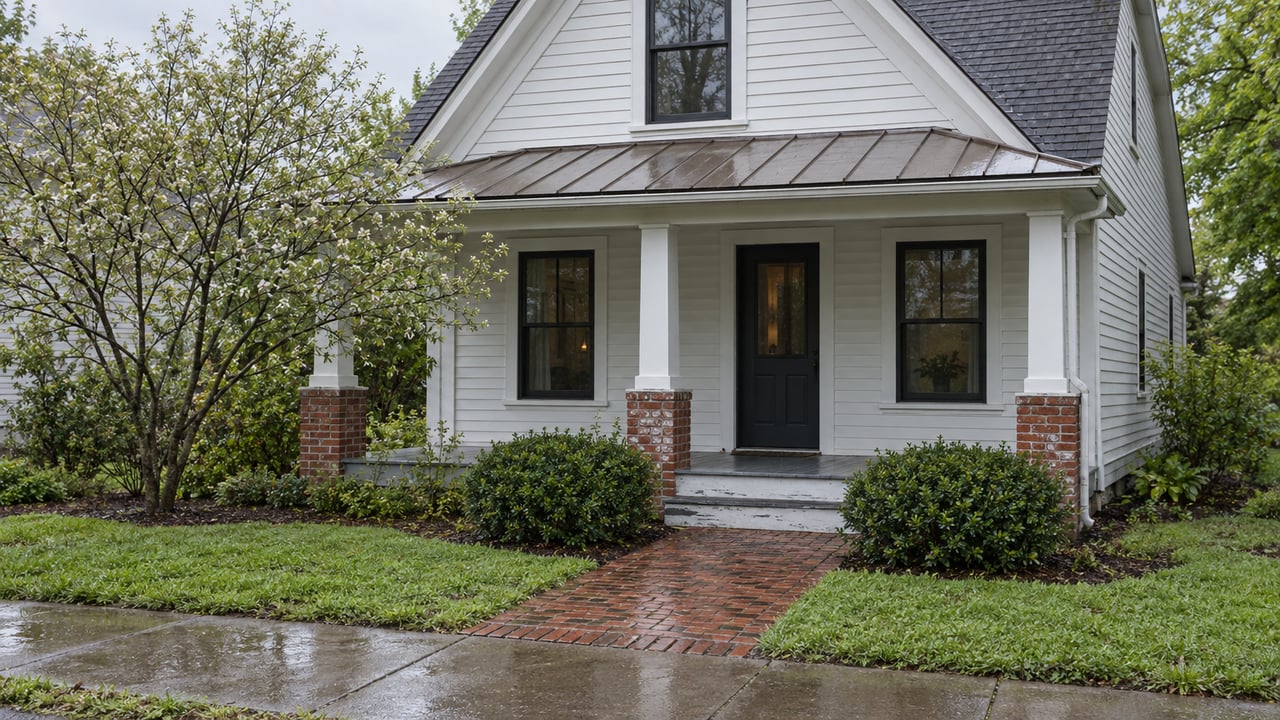
Olde Towne includes buildings listed on both the Virginia Landmarks Register and the National Register. Expect 18th and 19th century townhouses, plus Victorian and early 20th century homes with raised basements, wood steps, porches, and narrow urban lots. For a quick architectural snapshot and historic context, see the Olde Towne listing summary.
Neighborhoods differ in age and style, which can predict systems and structural conditions. Port Norfolk and Park View feature late 19th and early 20th century houses like bungalows, American Foursquares, and Queen Anne styles. This mix often means pier-and-beam foundations, original wood windows, and historic porch construction. You can get a feel for the building types in Port Norfolk from the district overview.
Rules and approvals: COA, HPC, and guidelines
If you plan exterior changes in a Portsmouth historic district, you typically need a Certificate of Appropriateness, known as a COA, before you can apply for permits. Some minor work may be approved administratively by staff, while larger projects go to the Historic Preservation Commission, known as HPC. The City outlines the process and documents on the Historic District Guidelines page.
The HPC meets monthly, so timing matters. Be sure to check the HPC meeting schedule and submittal process early if your renovation is time sensitive. Portsmouth’s district guidelines also emphasize a “repair first, replace in kind” approach. For example, Olde Towne’s PDF explains preferred materials and an approval matrix you can review in the Olde Towne Design Guidelines.
Incentives: state credits, federal credits, and local tax relief
Virginia offers a state Historic Rehabilitation Tax Credit for eligible rehab work. Unlike the federal program, Virginia’s credit may apply to owner-occupied residential properties if the project meets the rules. Review eligibility and the three-part application on the Virginia DHR tax credit page.
The federal Historic Tax Credit is different. It is a 20 percent credit for certified historic, income-producing properties, and it generally does not apply to owner-occupied single-family residences. For a clear outline of how the federal credit works, see this program overview.
Portsmouth also offers a local real estate tax exemption for rehabilitated structures when certain thresholds are met. This program is separate from state or federal credits. Start with the City’s Historic District Guidelines page and then contact the City Assessor for current rules and application timing.
What to inspect and budget for in older homes
Historic homes are durable, but age brings wear. Go in with eyes open and budget for surprises.
Electrical systems
Pre-1940 and 1950 homes may have knob-and-tube or cloth wiring and undersized panels. Many buyers plan for a full or partial rewire to improve safety and satisfy insurance or code needs. National cost guides put whole-house rewiring in a broad range, often several thousand to tens of thousands, with examples such as $5 to $17 per square foot or $10,000 to $30,000 depending on size and access. See ballpark ranges from HomeGuide.
Plumbing and sewer lines
Older galvanized supply lines, cast-iron drains, and brittle fixtures are common. A sewer-scope inspection is smart because mainline replacement can be pricey. For a quick overview of add-on inspections and why they matter, review this home inspection cost guide.
Foundations and structure
Portsmouth homes vary between pier-and-beam and slab. Pier-and-beam repairs and shimming span a wide range, from minor leveling to major underpinning. National summaries show small repairs in the low thousands and major work at $10,000 to $30,000 or more. Use a local structural specialist for an estimate and see general ranges in this foundation repair guide.
Roofs and chimneys
Roof type drives cost. Asphalt shingles are usually mid-thousands to replace at national averages, while slate or tile can cost many times more and may require structural review. Plan for an on-site roofer estimate and see national ranges summarized by BobVila.
Moisture management
Coastal humidity, poor grading, clogged gutters, and failing flashing can lead to moisture, mold, and wood rot. Before tackling finishes, fix water entry and drainage. The National Park Service offers practical guidance on diagnosing and controlling moisture in historic buildings in its preservation by topic resources.
Windows and exterior woodwork
Original wood sash and trim are often repairable and worth saving. The National Park Service favors repair and weather proofing of historic windows rather than wholesale replacement that erases character. Storm windows and targeted sash repair can be a good performance-to-cost balance. See NPS best practices in the preservation library.
Environmental hazards and termites
If the home predates 1978, lead-based paint is likely. Federal law requires sellers and landlords to disclose known lead information, provide the EPA-HUD pamphlet, and offer buyers a 10-day opportunity to test before finalizing the sale. Learn the disclosure basics on the EPA lead page.
If renovation will disturb paint, the EPA Renovation, Repair and Painting rule applies. Hire a firm or renovator certified under RRP and request documentation of lead-safe practices. See what to expect on the EPA RRP overview for real estate.
Very old homes may also contain asbestos in certain materials. Testing by trained firms is usually affordable per sample, while full abatement can be costly. Plan to test suspicious materials before demolition or invasive work.
Termites are common in coastal Virginia. Many lenders require a wood-destroying insect inspection, and buyers often order one regardless. You can find certified inspectors through the Virginia Pest Management Association.
Flood risk and insurance in Portsmouth
Portsmouth sits within Hampton Roads, where leaders are updating resilience standards for sea-level rise and more frequent tidal or storm flooding. That context should inform your due diligence. For a recent regional snapshot, read this WHRO report on evolving design standards.
Before you bid, check the property’s FEMA Flood Insurance Rate Map zone and ask your insurance agent for premium estimates. Start with the City’s Flood Program page for maps and local resources. For a statewide overview of flood insurance costs and factors, see this Virginia flood insurance guide.
Step-by-step due diligence for buyers
Use this sequence to reduce risk during your offer and contingency periods.
- Confirm district status and COA needs
- Before you write an offer, check if the property is in a historic district and what exterior work requires a COA. Review the City’s Historic District Guidelines and, if you anticipate larger work, note the HPC schedule and deadlines.
- Order targeted inspections
- Budget for a thorough home inspection and add specialty checks: WDI, sewer scope, structural, and environmental testing if needed. A general inspection often runs about $300 to $500, while add-ons vary. See typical ranges in Forbes’ inspection overview and this breakdown of add-on tests. A WDI inspection commonly runs $50 to $300, and a sewer scope can run $250 to $1,000.
- Verify past permits and approvals
- Ask the seller for prior COAs, permits, and maintenance records. Unpermitted changes, non-code electrical work, or altered windows and chimneys can complicate future approvals or tax credit certification. The City’s process is summarized under the Historic District Guidelines.
- Hire licensed, experienced contractors
- In Virginia, confirm licensure and contractor class through DPOR. Verify insurance and ask for historic-project references. Start with the DPOR Board for Contractors. If paint will be disturbed in pre-1978 homes, require EPA RRP-certified renovators using lead-safe practices.
- Plan scope, budget, and contingencies
- Create a prioritized scope that addresses safety and water management first, then systems, then finishes. For older homes, add a 10 to 20 percent contingency at minimum. Review the Olde Towne guidelines for repair-versus-replacement expectations that can affect material costs and sequencing.
- Explore incentives early
- If your project may qualify for Virginia’s state credit, study the three-part process on the DHR tax credit page. Distinguish it from the federal program that primarily targets income-producing properties, summarized here: Historic Tax Credit overview. Ask the City Assessor about local rehab tax exemptions and required application timing.
Typical timelines to expect
- Small maintenance: spot paint, porch repairs, basic window sash repairs often take days to weeks once scheduled.
- Moderate projects: roof replacement, partial rewiring, or HVAC upgrades often take weeks to months, depending on contractor availability and any required approvals.
- Major rehabs or certified tax credit projects: full systems replacement, structural work, and multi-phase restorations can take months to years. Build in time for design, COA review and HPC scheduling, construction, and any state tax credit documentation. For approval matrices and materials guidance that affect timelines, see the Olde Towne Design Guidelines.
Work with the right team
Historic projects benefit from the right professionals. Verify Virginia contractor licenses through DPOR. For pre-1978 paint disturbance, require EPA RRP-certified renovators and keep their documentation for your records. If you plan a major rehab or a tax credit application, consider bringing in a preservation architect or consultant familiar with the Secretary of the Interior’s Standards and the DHR tax credit process.
How we help you buy with confidence
You deserve a clear plan from offer through restoration. As a veteran-led local team, we coordinate inspections, line up qualified contractors, and keep your due diligence on schedule. We can help you confirm district status, understand what a COA will require, budget for likely fixes, and connect you with pros who know historic buildings in Portsmouth. If incentives apply, we point you to the correct state and local resources early, so you can plan scope and timing with confidence.
Ready to explore historic homes with a disciplined, end-to-end game plan? Reach out to The Foundry Group to get clear next steps, trusted local connections, and a process built around your timeline.
FAQs
What makes a Portsmouth home “historic” and why does it matter?
- In Portsmouth, homes inside local historic districts follow City design guidelines and often require a Certificate of Appropriateness for exterior changes, which affects materials, timelines, and approvals.
Do I need approval before exterior work on a historic home?
- Yes, most exterior changes in designated districts require a COA, with some items approved administratively and others reviewed by the HPC that meets monthly per the City’s published process.
What inspections should I order for an older Portsmouth house?
- Get a full home inspection plus WDI, sewer scope, and targeted structural or environmental tests, then add specialty inspections like roofing, chimney, HVAC, or mold if the general inspection flags concerns.
Are there tax credits for owner-occupied historic homes in Virginia?
- Virginia’s state Historic Rehabilitation Tax Credit may apply to owner-occupied homes that meet program rules, while the federal Historic Tax Credit typically applies to income-producing properties and not primary residences.
How do I verify a contractor for historic renovations in Virginia?
- Use the Virginia DPOR Board for Contractors license lookup, confirm insurance and references, and if paint may be disturbed in pre-1978 homes, require EPA RRP certification and lead-safe documentation.
What flood checks should I complete before buying in Portsmouth?
- Review the property’s FEMA flood zone using the City’s Flood Program resources, ask your insurance agent for premium estimates, and factor potential resilience or elevation needs into your budget and timeline.
How long do historic renovations usually take in Portsmouth?
- Small repairs take days to weeks, moderate system updates take weeks to months, and major or credit-eligible rehabilitations often require months to years including design, COA review, HPC scheduling, and construction.