Moving to a new city can feel exciting and a little uncertain at the same time. If Chesapeake is on your radar, you are probably wondering what daily life really looks like once the boxes are unpacked and the routine begins. The good news is that Chesapeake offers a wide range of living experiences, from suburban neighborhoods and commercial hubs to more rural open space and outdoor recreation. Here is what you can expect from everyday life in Chesapeake, VA, and how to think about which part of the city may fit you best. Let’s dive in.
Chesapeake Feels Different by Area
Chesapeake is a large city, with 338.46 land square miles, so your day-to-day experience can vary a lot depending on where you live. The city’s long-range planning framework separates areas into urban, suburban, and rural overlays, which helps explain why one part of Chesapeake may feel more built-up while another feels more spread out.
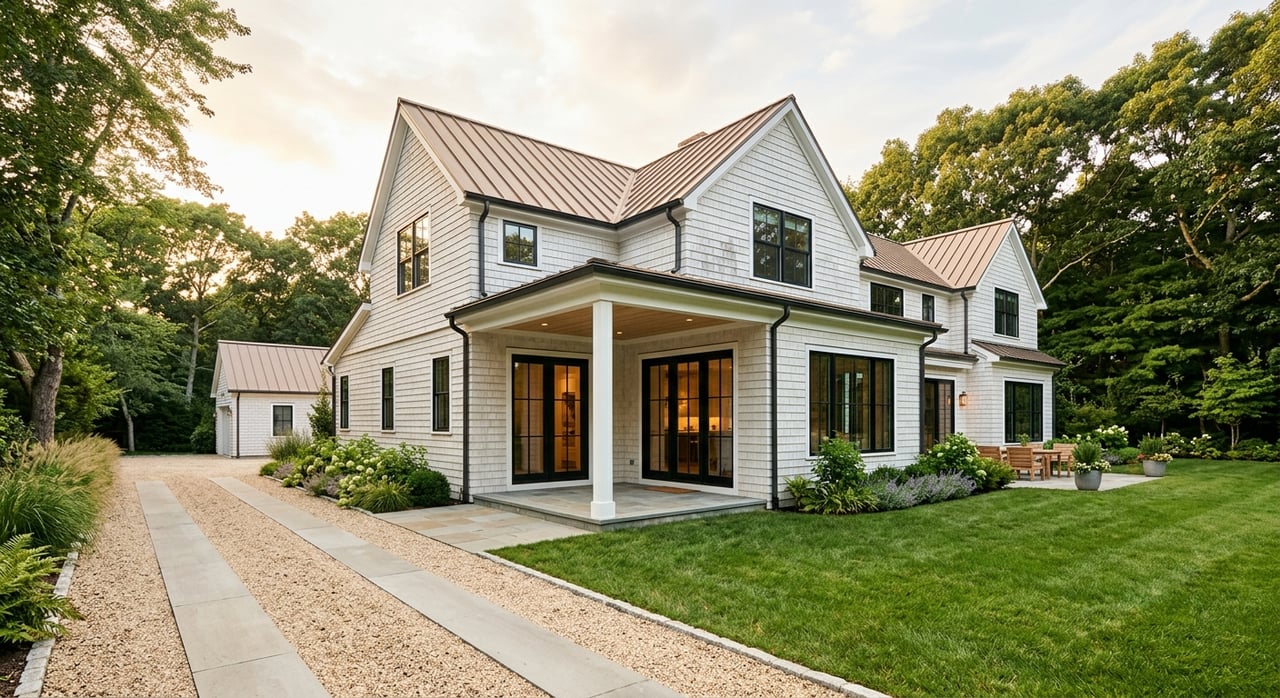
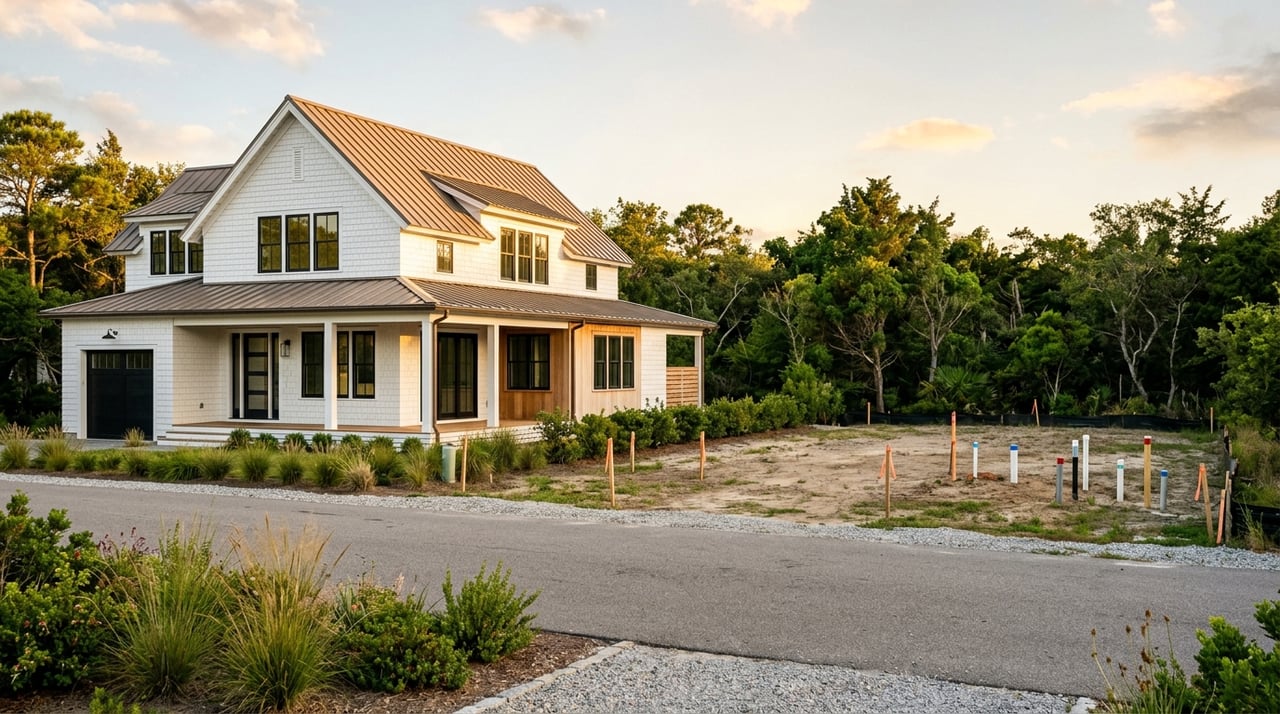
Overall, Chesapeake tends to feel suburban and car-oriented. The city notes that low-scale neighborhoods are its most common character district, and these areas are mostly made up of single-family detached homes, with some townhomes and small multifamily buildings along key roads.
That said, not every pocket feels the same. Some areas are more walkable around commercial centers and major corridors, while others offer quieter, lower-density living with more separation between destinations.
Key planning areas to know
If you are new to Chesapeake, it helps to understand a few of the city’s planning areas:
- Deep Creek is the largest planning area and is described by the city as suburban.
- Greenbrier is the fastest-growing planning area and the city’s main commercial hub.
- Great Bridge is known for suburban single-family subdivisions.
- South Norfolk is the city’s oldest urban area, with dense gridded neighborhoods, smaller homes, and more affordable housing.
For many buyers, that means Chesapeake is less about choosing the city as a whole and more about choosing the right pocket within it.
Commuting in Chesapeake
If you are used to a compact city where most errands and work trips are close by, Chesapeake may feel different. The city’s layout and road network support a car-first lifestyle, and most residents rely on personal vehicles for daily travel.
The average travel time to work is 25.8 minutes, which suggests that many residents plan for a real commute rather than a quick trip across town. If you are relocating, especially on a tight timeline, it is smart to think through your likely work route before choosing a neighborhood.
Roads, tolls, and bridges matter
Chesapeake’s transportation system includes major routes like the Chesapeake Expressway and Dominion Boulevard. These roads connect the city to I-64, I-464, North Carolina, and the Outer Banks, which can be very convenient depending on where you need to go.
The city also has more than 90 bridges, including six drawbridges. In practical terms, that means bridge timing can affect your day, especially if your regular route crosses one.
Public transit is available
While Chesapeake is largely car-led, transit options do exist. HRT serves the city with several bus routes that connect Chesapeake to Norfolk, Portsmouth, Virginia Beach, Tidewater Community College, and regional employers.
HRT’s OnDemand microtransit service also expanded into Chesapeake in January 2026. It operates within a designated zone, costs $2 per ride, and connects riders with destinations like Summit Pointe, Great Bridge Shopping Center, Chesapeake City Park and Arboretum, and Tidewater Community College.
For some residents, that may be a useful backup or supplemental option, even if a car remains the main way to get around.
Outdoor Life Is a Big Part of Chesapeake
One of Chesapeake’s biggest everyday advantages is how easy it is to spend time outdoors. If you enjoy parks, trails, water access, or simple weekend activities close to home, this city offers plenty of options.
Chesapeake has 80 public parks, which gives residents many ways to build outdoor time into a normal week. That can mean playground time, a walk on a trail, a picnic, or heading out for a longer recreational outing on the weekend.
Parks and recreation highlights
Two standout spots show the range of what Chesapeake offers:
- Chesapeake City Park includes the Fun Forest playground, a farmers market, and an outdoor concert venue.
- Northwest River Park includes a 66-site campground, cabins, miniature golf, an equestrian area, and eight miles of horse trails.
This mix helps make outdoor recreation feel like part of everyday life, not just something you plan for once in a while.
Trails and water access
The city’s trail system adds another layer to local life. The Chesapeake Arboretum offers a 45-acre, 3.5-mile trail network, while the Dismal Swamp Canal Trail runs 8.6 miles and supports biking, walking, running, horseback riding, and boating.
The city also highlights water access, fishing, crabbing, boat ramps, and multi-use trails as part of its recreational landscape. If your ideal routine includes being outside before or after work, Chesapeake gives you a lot to work with.
Shopping and Dining Happen in Hubs
One thing many newcomers notice is that shopping and dining are not evenly spread across Chesapeake. Instead, they cluster in a few clear hubs, which shapes how errands and nights out tend to work.
Rather than expecting every area to have the same concentration of stores and restaurants nearby, it helps to think in terms of destination zones. Depending on where you live, you may drive to a main commercial area for errands, dining, or entertainment.
Greenbrier leads the way
Greenbrier is the city’s main commercial hub and largest employment center. It includes big-box retailers, offices, restaurants, shopping, Summit Pointe, Greenbrier Mall, and Greenbrier Commerce Park.
If convenience to shopping, dining, and business services matters to you, Greenbrier will likely be one of the first areas you explore.
Other retail pockets across the city
Other parts of Chesapeake have their own smaller or corridor-based commercial areas:
- Great Bridge has shopping centers around the municipal center, including Edinburgh Shopping Center.
- Western Branch has commercial and big-box retail along Portsmouth Boulevard, including Chesapeake Square Mall and Shopping Center.
- Indian River has smaller shopping strips along Indian River Road and South Military Highway.
For daily life, this means your experience may depend heavily on whether you want to live close to an activity hub or are comfortable driving to one.
Housing Looks Different Across Chesapeake
Housing is one of the biggest reasons everyday life in Chesapeake can feel so different from one area to another. The city’s housing stock is largely detached-home oriented, but there is meaningful variety depending on the pocket.
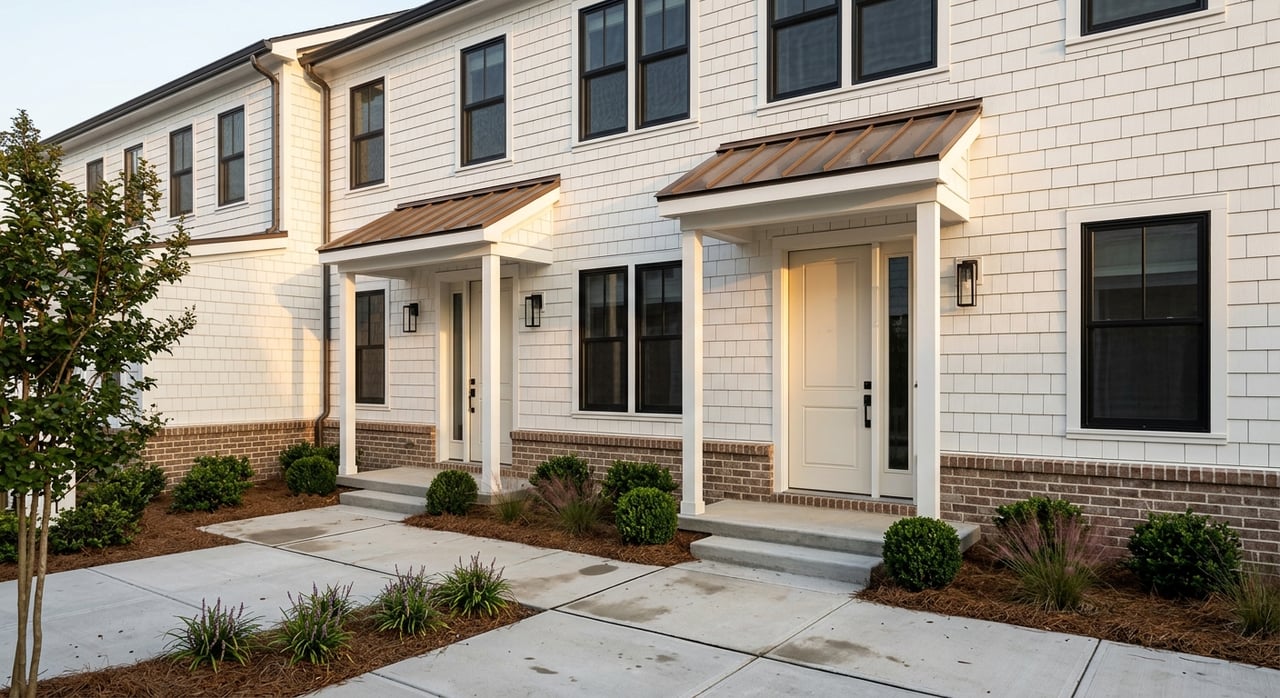
City planning documents show that low-scale neighborhoods are mostly single-family detached homes, while mid-scale neighborhoods include more townhomes and small multifamily housing. The suburban overlay is mostly single-family homes with some townhomes and duplexes, while the rural overlay stays very low density with more open space.
What that means for buyers
If you are looking for newer housing, Greenbrier includes a mix of single-family homes, townhomes, and apartments. If you want a more subdivision-focused setting, Great Bridge is known for suburban single-family neighborhoods.
Rivercrest has a greater concentration of multifamily housing than much of the city. South Norfolk has the oldest housing stock and the city’s most affordable homes, which may appeal to buyers with different budget goals or property preferences.
Current market snapshot
As of June 30, 2026, Chesapeake had:
- Average home value: $429,006
- Median sale price: $390,168
- Median days to pending: 21
- Homes for sale: 899
Redfin’s three-month median sale price ending May 2026 was $423,629, with homes averaging 25 days on market. For newcomers, that points to a market where homes can move relatively quickly, so clarity on your priorities can make the search smoother.
Price ranges vary by pocket
Neighborhood-level medians show how much pricing can shift across the city. Directionally, the data ranges from about $364,517 in Greenbrier West and $421,738 in Salem to $446,542 in Greenbrier East, $528,319 in Great Bridge, $577,311 in Butts Station, and the upper-$600,000s in Pleasant Grove West and Pleasant Grove East.
These are neighborhood medians, not fixed list prices, but they are useful for setting expectations. In Chesapeake, your budget may open very different lifestyle options depending on the area you target.
What Newcomers Should Expect Day to Day
At a practical level, everyday life in Chesapeake often means having space, driving regularly, and choosing your routines based on the part of the city you live in. You may shop in one area, work in another, and spend weekends in parks, on trails, or near the water.
That mix is part of Chesapeake’s appeal. It offers a suburban foundation, clear commercial hubs, and strong outdoor access, while still giving you several distinct housing and lifestyle pockets to consider.
For buyers and relocating households, the biggest takeaway is simple: Chesapeake is not one-size-fits-all. Finding the right fit usually comes down to matching your commute, budget, home style, and daily routine to the part of the city that supports them best.
If you are planning a move and want local guidance on which Chesapeake area fits your goals, The Foundry Group can help you compare neighborhoods, narrow your options, and move forward with confidence.
FAQs
What is everyday commuting like in Chesapeake, VA?
- Chesapeake is generally car-oriented, with an average travel time to work of 25.8 minutes, major road connections, and some bridge timing considerations depending on your route.
What is outdoor life like for residents in Chesapeake, VA?
- Chesapeake has 80 public parks, trail systems, water access, and recreation options like playgrounds, camping, boating, fishing, walking, biking, and horseback riding.
What part of Chesapeake, VA has the most shopping and dining?
- Greenbrier is the city’s main commercial hub, with a large concentration of shopping, restaurants, offices, and major retail destinations.
What kinds of homes can you expect in Chesapeake, VA?
- Chesapeake is mostly oriented toward single-family detached homes, but some areas also offer townhomes, apartments, duplexes, and other small multifamily options.
How much do homes cost in Chesapeake, VA?
- As of June 30, 2026, Chesapeake had an average home value of $429,006 and a median sale price of $390,168, with pricing varying significantly by area.