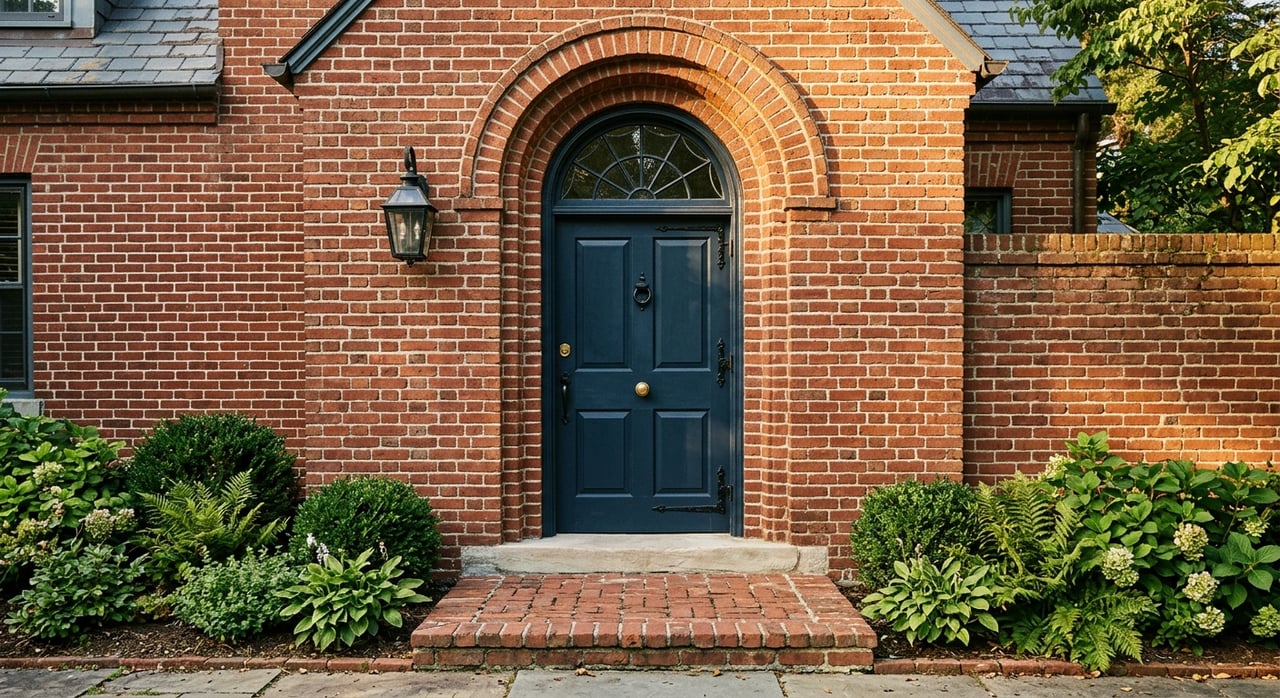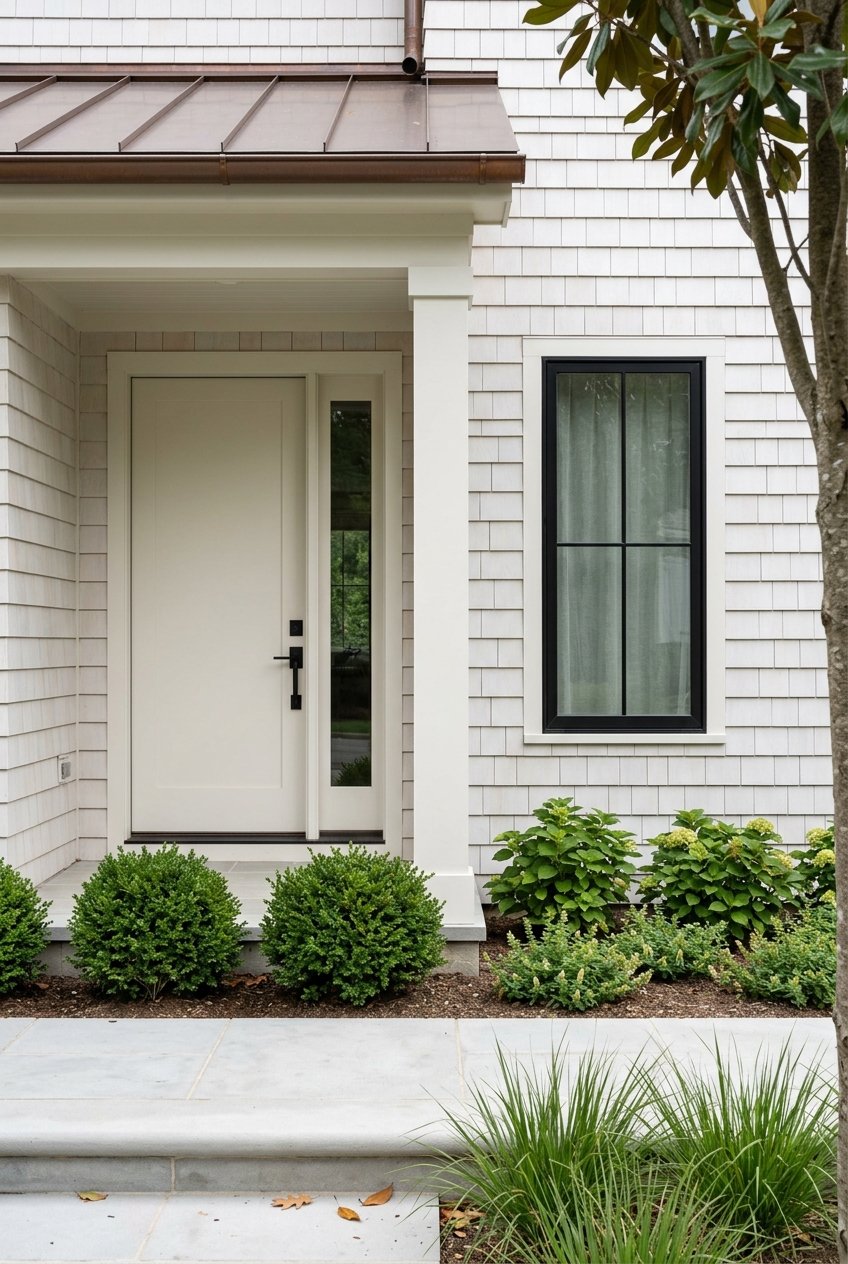
Pricing your home in Virginia Beach can feel tricky right now. You may see one home sell quickly with multiple offers while another sits, cuts price, and chases the market. If you want to price your home with confidence, the key is to focus on the right local data, understand the real factors that shape value, and make a strong first impression from day one. Let’s dive in.
Start With Sold Homes
If you want the most accurate asking price, start with recent sold comps, not the highest active listing you can find online. Virginia Beach’s own reassessment process follows that same logic by analyzing sales within a neighborhood, filtering out non-arm’s-length transactions, and evaluating the property’s condition, site, and features. You can see how the city approaches residential valuation in its overview of reassessing a residential neighborhood.
This matters because an active listing is just a seller’s starting point. A closed sale shows what a buyer actually agreed to pay. In today’s market, that difference can be important.
According to Redfin’s Virginia Beach housing market data, the median sale price in February 2026 was $388,750, homes sold in a median of 32 days, and sellers received about two offers on average. That tells you buyers are still active, but they are also selective.
Know Why Micro-Location Matters
Citywide averages can give you context, but they should not set your final price. Virginia Beach is highly local, and pricing can shift a lot from one area to another.
The city’s FY 2026/2027 neighborhood report shows how wide those value ranges can be. Mean assessments in some neighborhoods are far lower than others, and annual changes also vary by area. That is why a home in one part of Virginia Beach should not be priced by looking at a broad city average alone.
A better approach is to compare your home to recent sales in the same neighborhood or a truly similar nearby area. Then adjust for the things buyers notice right away, like lot size, updates, layout, curb appeal, and overall condition.
Use Listing Prices Carefully
It is easy to get attached to the highest list price in your ZIP code. But pricing your home based on aspirational listings can backfire, especially when buyers are watching affordability closely.
Realtor.com’s January 2026 Virginia Beach snapshot reported 667 active listings, 376 new listings, a median listing price of $469,000, and median days on market of 43. Listing prices help you understand competition, but they do not tell you where homes are actually closing.
That gap matters even more when financing costs are still elevated. Freddie Mac’s Primary Mortgage Market Survey showed the 30-year fixed mortgage rate at 6.46% on April 2, 2026, which means many buyers are payment-sensitive. If your price stretches beyond what the market supports, your showing activity may slow down fast.
Price For The First Two Weeks
Your first asking price matters more than many sellers realize. In Virginia Beach, Redfin’s local market report shows that homes sold for about 99.5% of list price in February 2026, 31.7% sold above list, and 15.8% had price drops.
That mix tells a clear story. Well-priced homes can still create strong interest, but overpriced homes often lose momentum and need reductions.
The first couple of weeks are usually when your listing gets the most attention. Buyers, agents, and saved-search alerts are all watching for new inventory, so you want your home to hit the market at a number that feels competitive and credible right away.
Adjust For Condition And Features
Not all homes with the same square footage should carry the same price. Virginia Beach’s assessment process specifically considers condition, site characteristics, and amenities like porches, garages, pools, and building sites.
That is a practical model for sellers. If your home has meaningful upgrades, strong outdoor living space, a garage, or other features buyers value, that may support a higher asking price. If it needs repairs or feels dated compared with recent sold comps, your pricing should reflect that too.
Price per square foot can help as a quick check, but it should not run the whole strategy. Redfin reports a median sale price per square foot of $242 in February 2026, up 5.0% year over year, but that number still masks major differences in location, condition, and lot characteristics.
Factor In Flood Risk
Flood risk can affect value and buyer demand in Virginia Beach more than it would in many inland markets. The city explains that local elevation and proximity to water increase flood exposure, and it distinguishes between zones such as AE, which carry a 1% annual flood chance, and VE, which are coastal areas with storm-wave risk. You can review these details through the city’s floodplain management resources.
For pricing, this is important because buyers often look beyond the purchase price to total monthly ownership cost. Flood insurance, lender requirements, and perceived risk can all shape what a buyer is willing to pay.
If your property has an elevation certificate, that can help provide useful context. The city notes that an elevation certificate helps compare a home’s elevation to the base flood elevation and may lower flood insurance premiums in some cases.
Consider AICUZ Impact
Another Virginia Beach-specific pricing factor is AICUZ, which stands for Air Installation Compatible Use Zone. The city says this program addresses noise and hazard considerations near Naval Air Station Oceana and requires written disclosure for residential property within certain noise or accident potential zones. You can learn more through the city’s AICUZ guidance.
This does not mean a home in an AICUZ area cannot sell well. It does mean buyers may weigh that factor differently, so your pricing should reflect the market response to truly comparable sales with similar exposure.
Remember School Boundaries Are Local
For many buyers, school assignment is part of how they evaluate location. In Virginia Beach, school assignment is address-based in most cases, and the division also notes that rezoning can affect some schools. The official place to confirm assignment is the Virginia Beach City Public Schools school locator.
For sellers, the main takeaway is simple. Pricing should reflect your home’s actual micro-location and buyer pool, not assumptions based on a wider area.
A Simple Pricing Framework
If you are getting ready to list, this framework can help you think clearly about pricing:
- Pull recent sold comps from your neighborhood or a truly similar nearby area.
- Remove non-comparable sales such as distressed or non-arm’s-length transfers when possible.
- Adjust for size and layout so you are comparing homes with similar functionality.
- Adjust for condition and updates including kitchens, baths, flooring, and major systems.
- Adjust for lot and site features such as water influence, garage space, porches, pools, and outdoor usability.
- Check flood zone and insurance factors that may affect ownership cost.
- Consider AICUZ disclosure or noise exposure if relevant to your location.
- Use price per square foot only as a backup check, not the final answer.
- Compare against current competition to see how your home will look to buyers today.
- Choose a launch price that fits the market now, not the market you wish you had.
This method lines up closely with the city’s own valuation approach and gives you a more grounded path than simply pricing above nearby listings to leave room for negotiation.
What If Your Home Is Not Getting Traction?
If your listing goes live and showings are light, do not wait too long to reassess. In a market where the median home sold in 32 days and hotter listings could go pending in about 15 days, the first signs of weak demand often show up early.
A quiet launch usually points to one of three issues:
- The price is too high for the current buyer pool
- The comp set was too aggressive or not truly comparable
- The presentation is not matching the price in photos, condition, or market positioning
Because 15.8% of homes had price drops in February 2026, waiting too long can put you in a reactive position. A timely adjustment can help restore attention while your listing still feels fresh.
Price To The Market, Not Above It
Many sellers ask whether it is better to price high and negotiate down later. In today’s Virginia Beach market, the data suggests that pricing to the market from day one is usually the stronger strategy.
Buyers are active, but they are also payment-conscious. With mortgage rates still elevated and plenty of online tools helping buyers compare homes quickly, overpricing can reduce traffic before you even get a fair shot.
A smart asking price does not mean leaving money on the table. It means giving your home the best chance to attract serious buyers, create competition when possible, and avoid the drag that comes with sitting too long.
When you are ready to price your Virginia Beach home with a disciplined local strategy, The Foundry Group can help you evaluate the right comps, position your home effectively, and launch with confidence.
FAQs
How should I price my Virginia Beach home compared to recent sold comps?
- Start with recent arm’s-length sales in your neighborhood or a very similar nearby area, then adjust for size, condition, lot, amenities, flood status, and other location-specific factors.
Should I use active listings to price my Virginia Beach home?
- Use active listings to understand your competition, but rely more heavily on closed sales because they show what buyers actually paid.
How does flood zone status affect a Virginia Beach home price?
- Flood zone status can influence buyer demand and total ownership cost, especially when flood insurance or lender requirements affect affordability.
How does AICUZ affect pricing for a Virginia Beach home?
- If your property is in an AICUZ-related area, buyers may factor in required disclosures, noise, or location considerations, so it is best to compare with similar homes that share that exposure.
When should I reduce the price on a Virginia Beach listing?
- If showings and offers are weak in the first couple of weeks, revisit your pricing, presentation, and comp selection sooner rather than later.
Is price per square foot enough to price a home in Virginia Beach?
- No. Price per square foot is a useful check, but it does not fully account for neighborhood differences, condition, site value, amenities, or local risk factors.