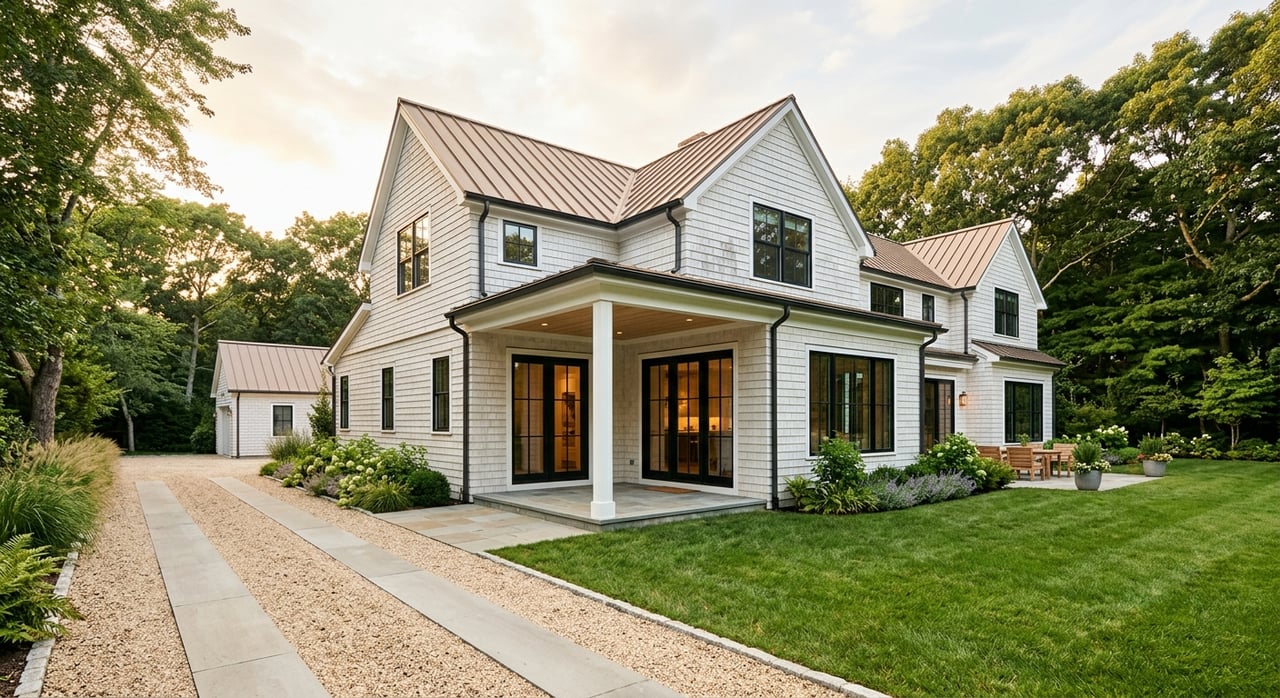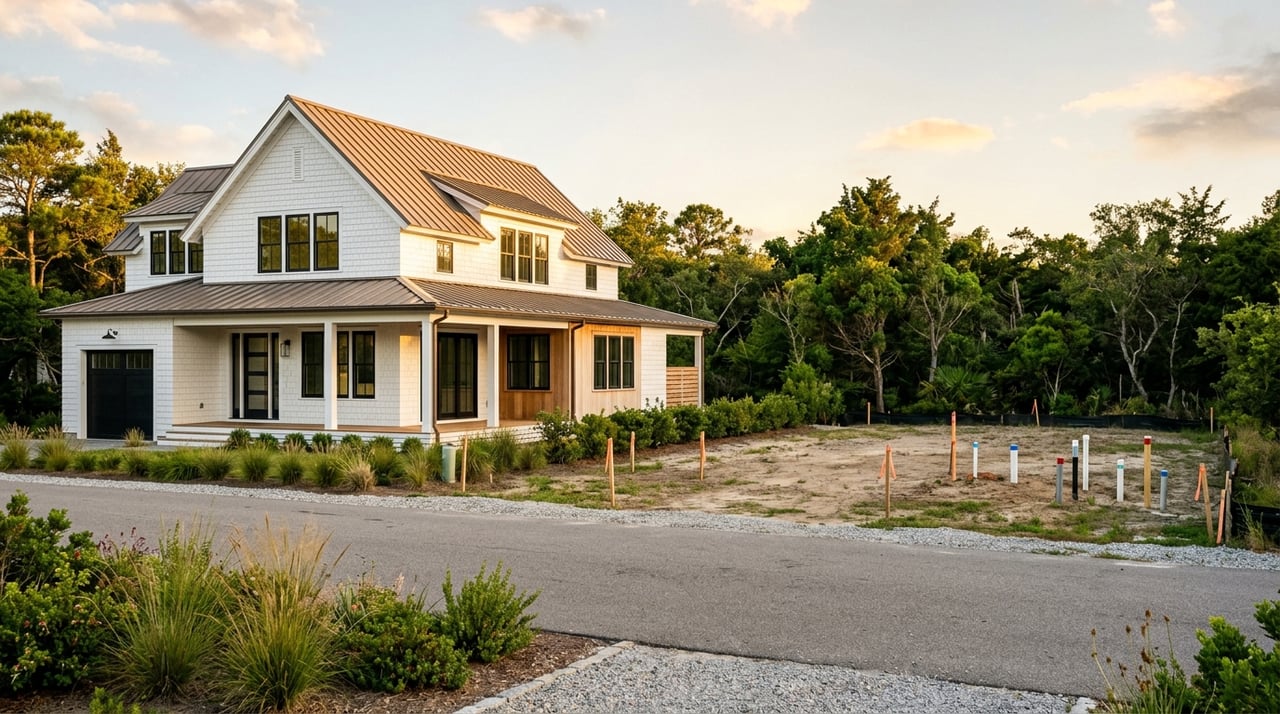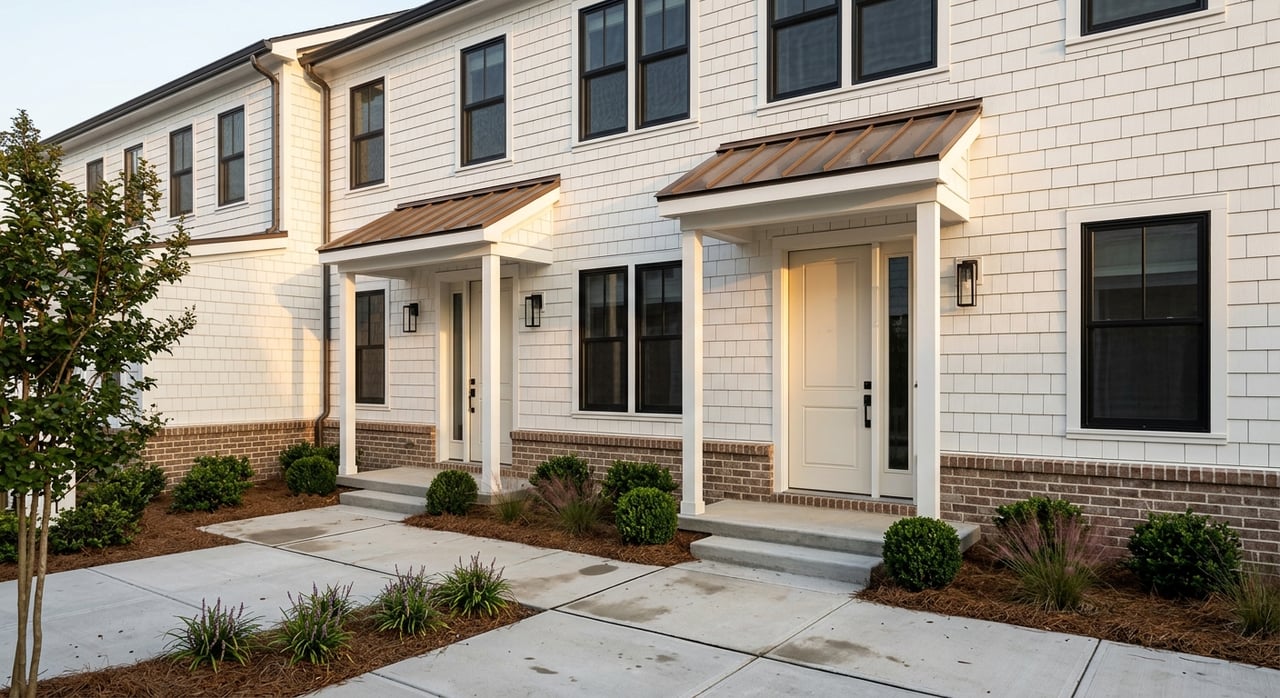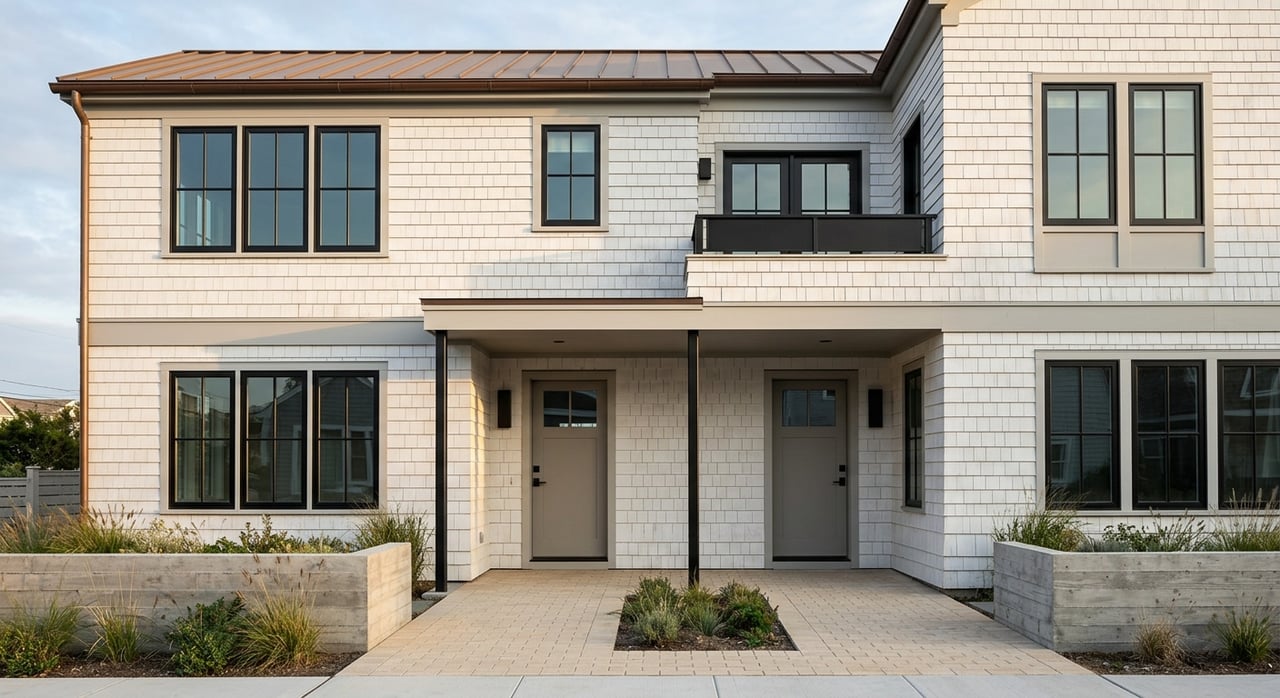
Thinking about a low‑maintenance home base in Norfolk where you can enjoy walkable neighborhoods, water views, or easy access to base and downtown? If you are comparing condos and townhomes, you are not alone. Many buyers want the convenience, amenities, and location that attached homes can offer without taking on full yard and exterior upkeep. In this guide, you will learn how condos and townhomes differ in Norfolk, what HOA dues really cover, how flood and insurance factor in, and the key financing and due‑diligence steps that protect you. Let’s dive in.
Quick comparison: condo vs townhome vs single‑family
| Option | Typical entry price in Norfolk | Typical monthly HOA dues | Exterior and roof maintenance | Insurance type | Financing caveats | Resale sensitivity |
|---|---|---|---|---|---|---|
| Condo | Redfin shows a median condo list price around $260k–$265k in Norfolk | Lower end under $200; mid $200–$400; upper several hundred dollars in amenity‑rich or waterfront buildings | HOA usually maintains building exterior, roof, common systems; you handle interior walls‑in | HO‑6 policy for interior/contents plus the association master policy | FHA/VA project approvals and conventional “warrantability” rules apply | Flood exposure varies by building; HOA dues trends and reserves affect buyer appeal |
| Townhome | Fewer active listings and a higher, more volatile median around $460k in recent Redfin snapshots | Varies by community and ownership form; often lower than condos if fee‑simple with limited amenities | If fee‑simple, you usually maintain exterior and roof; if condo‑style, some exterior may be HOA | HO‑3/HO‑5 if fee‑simple; HO‑6 if the townhome is legally a condo | If legally a condo, project review rules apply; fee‑simple townhomes are typically simpler | Flood exposure and HOA health still matter; investor share can affect financing |
| Single‑family | Citywide median sale price is roughly in the low‑to‑mid $300Ks in recent snapshots | Usually none, or low POA fees if in an HOA | Owner maintains structure and land | HO‑3/HO‑5 homeowners policy | Standard purchase financing | Flood, insurance, and taxes shape carrying cost |
Source notes: Listing medians and inventory change often. Redfin’s Norfolk listing snapshots show the condo median around $260k–$265k and townhomes around $460k, but sample size and neighborhood mix can shift numbers week to week. Always verify current figures with your lender and agent. (Norfolk condos on Redfin, Norfolk townhouses on Redfin)
Where condos and townhomes shine in Norfolk
Downtown, Freemason, and Ghent
If you want walkability to restaurants, arts, and the waterfront, these areas offer a wide range of condo and townhome options. Expect features like elevators, garage or assigned parking, secure entries, on‑site management, and fitness rooms. Amenities can lift monthly dues, but they also add everyday convenience.
Larchmont‑Edgewater and surrounding neighborhoods
You will find a mix of attached options near parks and the river. Some communities offer lower‑rise buildings or fee‑simple townhomes that keep dues modest. Ownership structure varies, so confirm whether a townhome is fee‑simple or part of a condominium regime before you compare costs.
Ocean View and coastal pockets
Waterfront proximity is the main draw. Some properties lean toward second‑home or vacation‑style use with outdoor spaces, community docks, or beach access. Insurance and flood considerations are essential here, and HOA dues often reflect coastal maintenance and amenities.
What HOA dues cover and how to budget
Nationally, HOA and condo dues have been rising. Realtor.com’s recent report shows a national median monthly HOA fee around $135. That gives you a baseline, but Norfolk buildings vary widely by age, location, and amenities. Smaller buildings can come in under $200 per month. Waterfront, high‑rise, or amenity‑rich buildings can be several hundred dollars a month. Dues typically fund the master insurance policy, common‑area maintenance, reserves for capital repairs, management, and sometimes water, sewer, or trash. (Realtor.com HOA report)
Before you compare a condo to a single‑family home, include dues as a monthly operating cost. A building with strong reserves and a clear maintenance plan can protect you from surprises, while underfunded reserves may point to future special assessments.
What dues usually include
- Building and exterior insurance on the association’s master policy
- Common‑area upkeep: roofs, elevators, lobbies, landscaping, pools, and fitness rooms
- Utilities that may be shared, such as water, sewer, or trash
- Reserves that fund big items like roof replacements or facade work
For coverage clarity, always review the HOA’s master‑policy declarations page and confirm what your unit policy must cover. Condo owners typically carry an HO‑6 policy for interior walls‑in, personal property, and liability. (Insurance Information Institute on condo coverage)
Ownership and maintenance: what changes between condos and townhomes
The term “condominium” describes a legal form of ownership, not just a building style. In a condominium, you own your unit plus a shared interest in the common elements. A “townhouse” describes style and may be either a condo or fee‑simple. In a fee‑simple townhome, you often own the land and structure, and an HOA may only maintain shared roads or amenities. Read the declaration and deed to know which one you have. (Virginia Code overview)
Virginia law also requires condo and many HOA boards to conduct reserve studies at least every five years and to review them annually. Reserve studies estimate future repair needs and recommended funding. If reserves are thin, the risk of special assessments rises, which can affect both affordability and resale. (Virginia reserve study requirements)
Insurance and flood risk in Norfolk
Norfolk is a coastal city, so you should factor flood into both cost and risk planning. Standard condo unit policies (HO‑6) and homeowners policies (HO‑3/HO‑5) do not cover flood damage. Lenders may require flood insurance if the property sits in a Special Flood Hazard Area, and many owners outside mapped zones still choose flood coverage due to tidal or nuisance flooding.
Start with the City’s flood and drainage resources for local context and resilience planning, then consult an insurance professional for a quote based on the property’s flood zone, elevation, and building type. Ask the HOA and seller about any flood claims or water‑intrusion history. (City of Norfolk flood and drainage resources)
Flood and insurance checklist
- Check FEMA flood maps and request the property’s flood zone from your insurer.
- Review the HOA master‑policy declarations page to see what the association insures.
- Get a unit policy quote early: HO‑6 for condos; HO‑3/HO‑5 for fee‑simple townhomes.
- Ask for any recent flood or water‑damage claims from the HOA or seller.
Financing condos: approvals, warrantability, and what to verify
Condo financing includes a project review in addition to your personal loan approval. Here is what to know:
- FHA: Many condo projects must be FHA‑approved for a buyer to use FHA financing. You or your lender can search HUD’s condo lookup to confirm status or discuss single‑unit approval options where available. (HUD FHA condo lookup)
- VA: Veterans using VA loans may need the condo project to be VA‑approved. Ask your lender to verify the project’s status or alternative paths.
- Conventional loans: Fannie Mae and Freddie Mac use condo project reviews that look at items like owner‑occupancy share, budget and reserves, assessment delinquencies, commercial space, and litigation. If a project passes, lenders can sell the loan to the agencies more easily. If not, you may need a portfolio loan or different terms. (Freddie Mac on Condo Project Advisor)
What this means for you: start the condo project review early. Your lender will likely request the HOA budget, latest reserve study, meeting minutes, insurance certificates, and details about rentals and any litigation. Strong documents reduce surprises and keep your closing on schedule.
Three quick callouts you should not skip
Ask to see the full HOA packet before you waive contingencies
Virginia’s resale certificate gives you a three‑day right to cancel after you receive it. Use that time to review budgets, reserve studies, meeting minutes, insurance, and any planned assessments. (Virginia resale certificate reference)
How HOA dues affect your monthly affordability
Work the math before you fall in love with a building. For example:
- Pick a sample price, like $300,000, and estimate your principal and interest with your lender.
- Add property tax at the City of Norfolk’s posted real estate tax rate from the official FAQ, then divide by 12 for a monthly figure. (City of Norfolk Real Estate Tax FAQ)
- Add HOA dues. The national median is about $135 per month, but many Norfolk condos run higher depending on amenities. (Realtor.com HOA report)
- Add unit insurance and any flood premium. Your insurer can quote these quickly.
This side‑by‑side helps you compare a condo with a fee‑simple townhome or a single‑family home on equal footing.
Flood and insurance checklist
- Verify the flood zone and get an early flood quote.
- Review the HOA master policy and your unit coverage needs.
- Ask about any recent water or flood claims.
Due‑diligence checklist to request early
Ask your agent to help you collect and review these items. Each one reduces risk and can affect financing and resale.
Resale certificate and association disclosures. Virginia provides a three‑day right to cancel after you receive the packet, so do not waive it lightly. (Resale certificate reference)
HOA budget, most recent reserve study, and current reserve balance. Strong reserves mean fewer surprises; weak reserves raise the risk of special assessments. (Virginia reserve study requirements)
Recent HOA meeting minutes, notices of special assessments, and planned capital projects. These reveal upcoming costs, structural work, and community issues.
Master‑policy declarations page and required owner coverage. Confirm what the HOA insures and what you must insure. (Condo insurance overview)
Current rental and owner‑occupancy ratios plus any rental restrictions. These can influence both lending and buyer demand at resale.
FHA, VA, and conventional project approval status or a lender plan for single‑unit or portfolio options. Check FHA status directly and ask your lender about VA and agency approvals. (HUD FHA condo lookup)
Flood map status, any recent flood claims, and preliminary insurance quotes. In coastal Norfolk, these shape long‑term costs and marketability.
Final thoughts
Condo and townhome living in Norfolk can deliver location, convenience, and lifestyle benefits that are hard to match. The keys to a smart purchase are clear: confirm the legal ownership type, understand what HOA dues cover, verify flood and insurance costs, and get ahead of condo project approvals. When you put the right documents in front of your lender and review the HOA’s budget and reserves with care, you set yourself up for a smoother closing and stronger resale down the road.
If you want a local, disciplined partner to help you compare buildings, read the fine print, and line up financing, reach out to The Foundry Group. We will walk you through options, run the numbers, and keep your timeline on track.
FAQs
How much are HOA dues for condos in Norfolk?
- Dues vary widely by building. Smaller condos can be under $200 per month, while waterfront or amenity‑rich buildings often run several hundred dollars. The national median is about $135 per month, which is a starting reference point.
What is the legal difference between a Norfolk townhouse and a condo?
- “Townhouse” is a style. The legal form controls maintenance and insurance. A condo owner typically handles interior walls‑in while the HOA maintains the building, and a fee‑simple townhome owner often maintains the exterior and roof. Always check the declaration and deed.
Do I need flood insurance for a Norfolk condo or townhome?
- Standard HO‑6 and homeowners policies exclude flood. Your lender may require flood insurance if the property is in a mapped high‑risk zone, and many owners outside those zones still purchase a policy due to coastal conditions in Norfolk.
Can I use an FHA or VA loan to buy a Norfolk condo?
- Often yes, but many condos must be approved at the project level. Ask your lender to verify FHA or VA approval or explore single‑unit or alternative options early.
What documents should I review before buying a condo in Norfolk?
- Start with the resale certificate, HOA budget, reserve study, meeting minutes, master‑policy declarations page, and any notices of pending assessments or litigation, plus flood and insurance details.
What amenities can raise condo dues in Norfolk?
- Elevators, on‑site staff, garages, pools, fitness centers, waterfront features like docks, and extensive common‑area maintenance typically increase monthly dues.