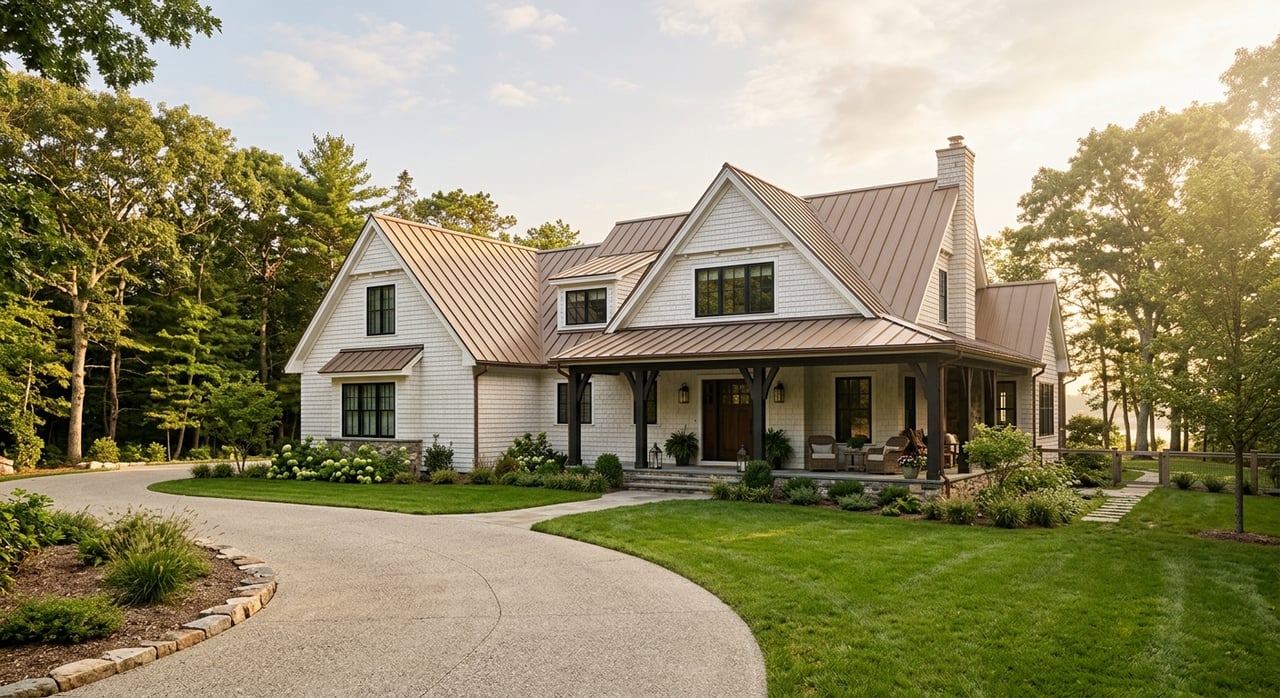
Trying to choose between more space and more convenience in Chesapeake? You are not alone. Chesapeake is one of those rare places where suburban neighborhoods, rural landscapes, commercial centers, and preserved open space all exist within the same city, which can make your decision feel both exciting and a little overwhelming. The good news is that once you understand how Chesapeake is laid out, it becomes much easier to match your lifestyle to the right area. Let’s dive in.
How Chesapeake Balances Suburban and Rural Living
Chesapeake describes itself as a blend of rural and urban centers, and that mix is a big part of its appeal. According to the City of Chesapeake, the city has an estimated 255,332 residents spread across 338.46 square miles, which gives you a sense of how much room there is for different living patterns.
The city’s overlay districts make this distinction even clearer. Suburban areas are generally defined by mostly single-family neighborhoods, some townhomes and duplexes, larger lots, auto-oriented shopping, and trips made mostly by personal vehicle. Rural areas, by contrast, are tied to active farming, very low-density housing, large conservation areas, and longer drives for work or shopping.
For most buyers, that means Chesapeake is less about a hard suburban-versus-rural divide and more about where you want to land on the spectrum between convenience and space.
What Suburban Living Looks Like
If you picture established neighborhoods, easier access to shopping, and more housing choices, you are likely thinking about Chesapeake’s suburban-leaning areas. These parts of the city tend to offer a balance of residential living and daily convenience.
In places like Greenbrier, Great Bridge, Western Branch, Deep Creek, Grassfield, and Indian River, you will generally find neighborhoods that are closer to commercial services, civic amenities, and major roads. Housing types can also vary more, depending on the area.
Suburban Areas Often Mean More Convenience
Greenbrier stands out as Chesapeake’s main commercial hub and largest employment center. The area includes offices, big-box retail, restaurants, sports facilities, and a range of housing that includes single-family homes, townhomes, and apartments.
Great Bridge also offers a suburban feel with multiple shopping centers, civic destinations like the Chesapeake Municipal Center and Central Library, and numerous single-family subdivisions. Western Branch combines suburban neighborhoods with retail along Portsmouth Boulevard, while Indian River includes compact neighborhoods and small-scale shopping strips.
If your goal is to keep errands simpler and stay closer to shopping or services, suburban Chesapeake may feel like the better fit.
Suburban Housing Is Usually More Varied
One practical advantage of suburban areas is housing variety. Greenbrier, for example, includes several home types, while Great Bridge and Grassfield are known for lower-density suburban neighborhoods with newer family-oriented housing.
That variety can be helpful if you are comparing price points, lot sizes, or maintenance needs. Some buyers want a detached home with a yard, while others may prefer a townhome or a lower-maintenance option close to everyday amenities.
Suburban Living Still Includes Outdoor Access
Choosing suburban living in Chesapeake does not mean giving up green space. Deep Creek includes access to the Great Dismal Swamp National Wildlife Refuge, Greenbrier includes the Chesapeake Arboretum and City Park, and Great Bridge features Great Bridge Lock Park.
That mix can be especially appealing if you want neighborhood structure and convenience but still value trails, parks, and outdoor recreation nearby.
What Rural Living Looks Like
If privacy, open views, and larger homesites matter most to you, rural Chesapeake may deserve a closer look. These areas tend to have fewer nearby commercial services, but they offer more separation between homes and a stronger connection to land and open space.
The strongest rural feel is often found in Southern Chesapeake. The city describes this planning area as one of its most rural, with agricultural history, a close-knit community feel, and preserved open space connected to the Fentress Naval Auxiliary Landing Field and the Northwest River Natural Area Preserve.
Rural Areas Offer More Space
One of the clearest differences between suburban and rural Chesapeake is lot size. According to the city’s residential development standards, some of the lowest-density districts, including A-1 Agricultural and RE-1 Residential Estate, require 3-acre lots.
By comparison, more suburban districts may require lots measured in thousands of square feet, such as 12,000, 10,000, or 8,000 square feet. In simple terms, rural-feeling areas are more likely to offer acreage, larger setbacks, and more space between neighbors.
Rural Living Means Driving More Often
The tradeoff for that added space is usually convenience. The city’s overlay plan notes that rural areas are more driving-oriented for jobs and most commercial uses, while suburban areas also rely on driving but often place some amenities closer to home.
Citywide, the Census QuickFacts page reports a median travel time to work of 25.8 minutes. For many buyers, the question is not whether you will drive in Chesapeake, but how far you want to drive for errands, work, or recreation.
Rural Character Is Part of the Long-Term Vision
For some buyers, the appeal of rural Chesapeake is not just what it looks like today, but what the city is trying to preserve. Chesapeake’s Open Space and Agricultural Preservation Program was created to protect natural open spaces, rural character, and agricultural resources.
That matters if you value open land, lower-density surroundings, and a setting that feels different from a more built-up suburban pattern.
Areas That Fall In Between
Not every part of Chesapeake fits neatly into one category. In fact, some of the city’s most popular areas sit somewhere in the middle.
Deep Creek and Grassfield are good examples. Deep Creek is Chesapeake’s largest planning area and includes suburban neighborhoods, a small-town feel, and access to major natural assets. Grassfield combines agricultural land and open space with newer low-density suburban neighborhoods and some commercial uses.
If you want a little more breathing room without feeling too far from shopping or daily services, these in-between areas may offer the balance you are looking for.
How To Decide What Fits Your Lifestyle
The best choice usually comes down to how you want your day-to-day life to feel. A home can check all the boxes on paper but still miss the mark if the surrounding area does not match your routine.
Here are a few questions to help you narrow it down:
- Do you want quicker access to shopping, restaurants, and services?
- Do you prefer a larger lot and more distance between homes?
- How often will you commute to work or drive for errands?
- Do you want more housing options, such as townhomes or apartments?
- Is preserved open space or agricultural scenery a priority for you?
If convenience, housing variety, and access to commercial centers are high on your list, suburban areas like Greenbrier, Great Bridge, or Western Branch may make sense. If privacy, land, and a quieter setting matter more, Southern Chesapeake or other lower-density pockets may be a stronger fit.
Cost and Housing Context
Chesapeake’s overall housing numbers can give you a starting point, even though pricing varies by area and property type. The city reports a median owner-occupied home value of $378,400 and a median gross rent of $1,586 on its community profile.
Within the city, submarkets can look very different. For example, the city identifies South Norfolk as having the most affordable housing in Chesapeake, with older, smaller homes and a denser neighborhood pattern. That makes it important to evaluate each area on its own rather than assuming the whole city feels or costs the same.
The Bottom Line On Chesapeake Living
In Chesapeake, the real choice is usually not suburban or rural in the abstract. It is whether you want your home life to center more on convenience or on space.
Suburban areas can give you easier access to shopping, jobs, and a wider mix of housing. Rural areas can offer larger lots, more privacy, and stronger open-space character. And because Chesapeake includes so much middle ground, you may be able to find a location that gives you a bit of both.
If you are weighing neighborhoods, lot sizes, commute patterns, or resale considerations, working with a local team can make the process much clearer. The Foundry Group helps buyers and sellers across Chesapeake and Hampton Roads make confident moves with clear guidance, responsive communication, and disciplined transaction support.
FAQs
What is the difference between suburban and rural living in Chesapeake, VA?
- Suburban living in Chesapeake generally means neighborhoods with easier access to shopping, services, and a wider range of housing types, while rural living usually means larger lots, more open space, and longer drives for work or errands.
Which Chesapeake areas feel more suburban?
- Areas like Greenbrier, Great Bridge, Western Branch, Indian River, Deep Creek, and parts of Grassfield are commonly described by the city as having suburban characteristics or suburban-style development patterns.
Which Chesapeake area feels the most rural?
- Southern Chesapeake is one of the city’s most rural planning areas, with agricultural history, preserved open space, and lower-density housing patterns.
Are lot sizes bigger in rural Chesapeake neighborhoods?
- Yes. Chesapeake’s development standards show that some rural or estate-style districts require 3-acre lots, while many suburban districts use smaller lot minimums measured in square feet.
Is Chesapeake a good option if you want both convenience and open space?
- Yes. Chesapeake’s layout includes areas like Deep Creek and Grassfield that can offer a blend of suburban neighborhoods, nearby open space, and room to spread out compared with more commercial parts of the city.