Walk two blocks from Afton Square in Cradock and you reach a wooden bandstand built for a shipyard boom that peaked in 1918. Walk two blocks the other direction and you reach a 40-acre wetland that spent most of the twentieth century as an industrial lot. Both get used on a regular schedule. That is the part most descriptions of this neighborhood skip past on the way to words like "charming" and "historic."
Cradock was laid out in 1918 by the U.S. Housing Corporation to house the flood of workers arriving at the Norfolk Naval Shipyard during World War I. The firm George B. Post and Sons designed the street plan in the shape of an anchor, with Afton Parkway running as the spine toward a public square. Portsmouth annexed the neighborhood in 1960. The square, the bandstand, and the naval-hero street names are original. The wetland trail a few blocks away is not, and the gap between those two ages is the actual story of what living here looks like week to week.
A Bandstand Still Doing the Job It Was Built For
The 1918 plan for Cradock called for a commercial square, recreational land, schools, and access to public transportation, all built around a central gathering point. That point is Afton Square, and the bandstand at its center has never been repurposed into something more decorative. The Cradock Civic League runs the annual Spring Festival there every first Saturday in May, with food, live music, and vendors filling the square, and the same space hosts the neighborhood's 4th of July celebration. Neither event was invented to give a historic district something to market. Both are the square doing exactly what its original planners specified a century ago.
Across the street from Afton Square sit the Cradock Community Garden and the Cradock branch of Portsmouth Public Library, which runs a recurring Learn 2 Knit class and a monthly Book Group. None of these existed in their current form in 1918, but they occupy the same functional role the plan called for: a school site, a recreation site, a gathering site, filled in over a century by whatever institution happened to be doing that job at the time. The square did not get frozen as a museum piece. It kept being used for the thing it was zoned for.
Streets Shaped Like an Anchor, Houses That Refuse to Match
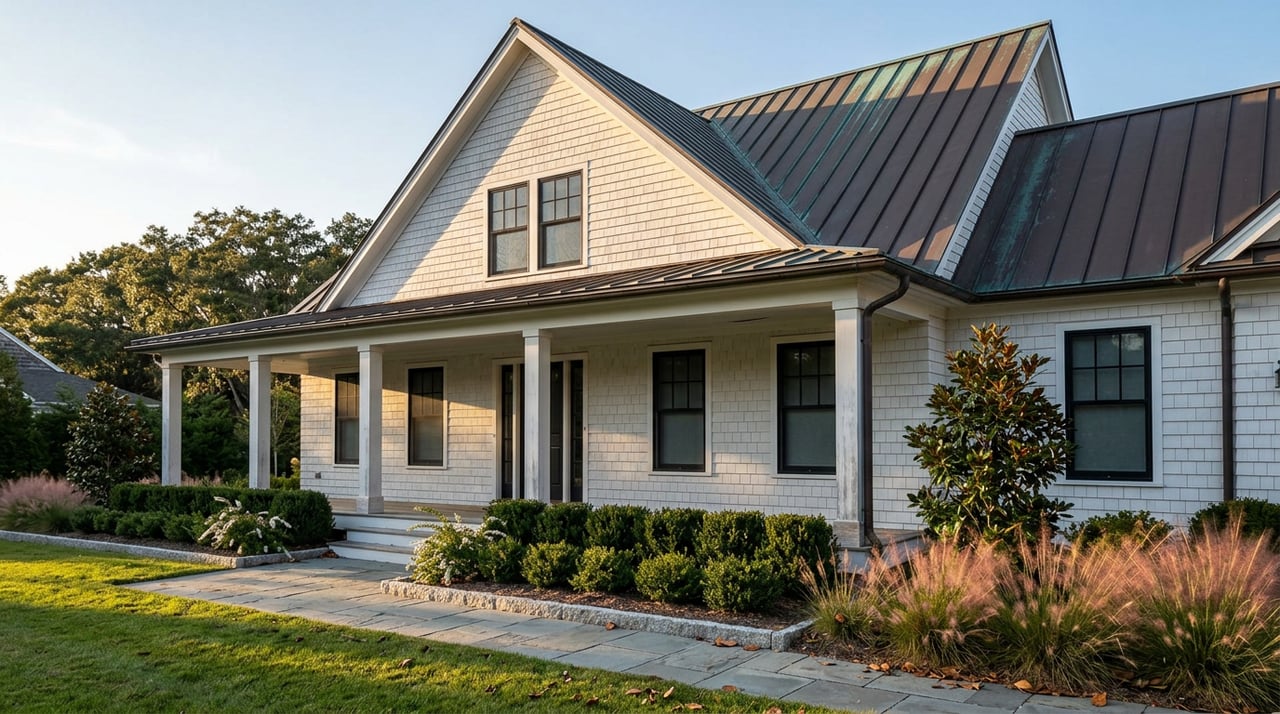
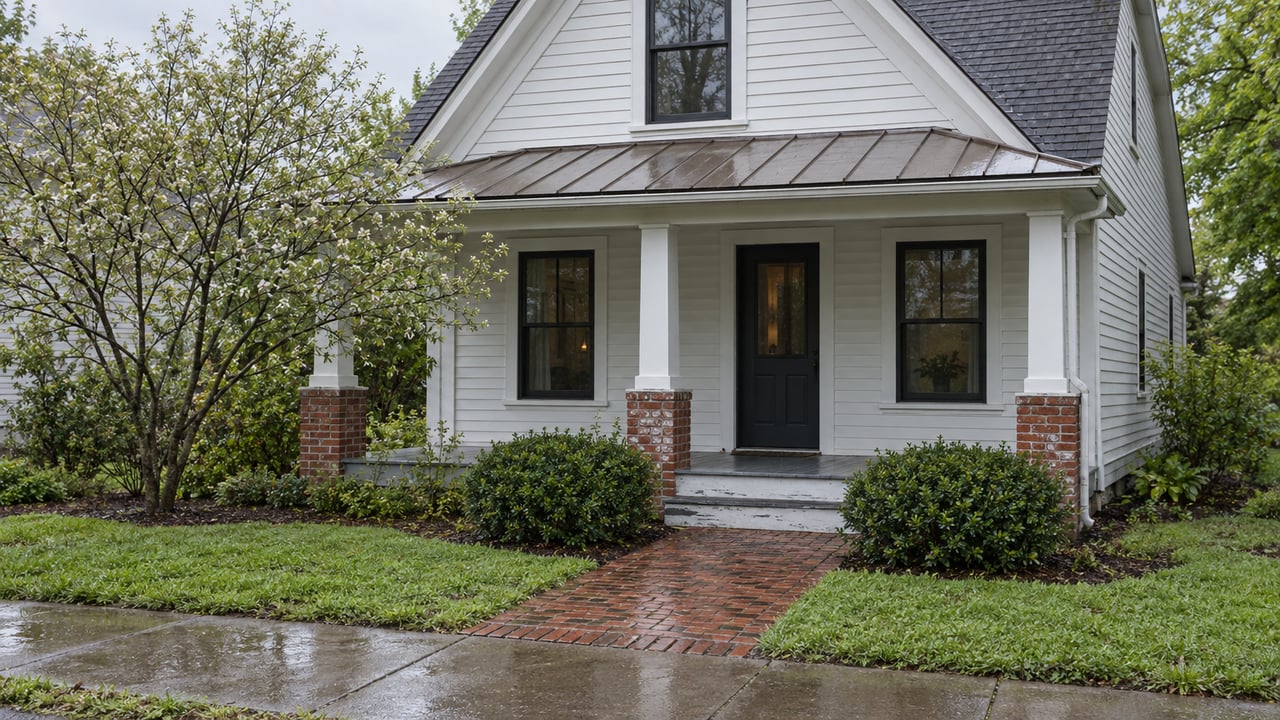
Roughly 750 single-family dwellings went up across Cradock in its original construction phase, and the Virginia Department of Historic Resources notes they were deliberately varied in shape to avoid the monotony that company housing usually produces. Architectural surveys of the district catalog distinct house types by roofline and porch configuration, from end-gable roofs with full-width porches to cross-gable designs with center entries and three-bay porches. Walking the side streets off Afton Parkway means passing through several of these types in the space of a single block rather than one repeated floor plan.
The commercial storefronts ringing Afton Square were originally Colonial Revival in style, and the square itself was historically lined with shops and a movie theater, according to the SAH Archipedia survey of the district. The layout was intentional enough that it reads as planned even now, a small town square built inside a larger city rather than a subdivision that grew one lot at a time.
The Newer Anchor: A Wetland That Used to Be a Lot
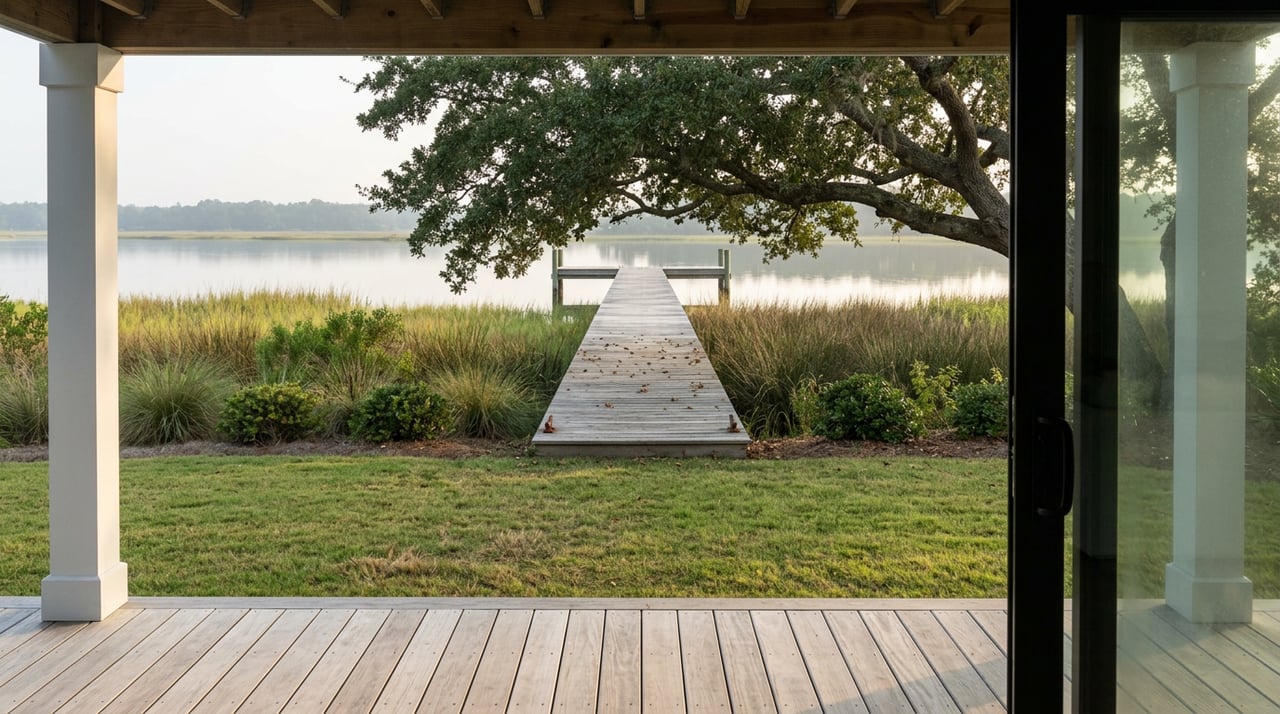
Paradise Creek Park is the part of Cradock that has nothing to do with 1918. The 40-acre park sits on restored wetlands along the Elizabeth River, and the land was a polluted industrial site before The Elizabeth River Project helped bring it back to something residents can walk, fish, and kayak through. The Blue Heron and Osprey Trails run through the restored marsh, and the park is also home to the "One Flock" installation, more than 100 metal heron sculptures placed to draw attention to pollution and climate change along the river.
This is the piece of Cradock's public life that did not come with the original town plan. The neighborhood picked up a genuine new communal space without displacing the old one, which means residents get both a century-old civic square built for parades and festivals and a comparatively recent wetland trail built for a quieter kind of recreation, within walking distance of each other.
What's Actually Open Right Now
A short list of what fills in the gaps between the square and the park, for anyone deciding where to eat or run errands without leaving the neighborhood:
- Victory Rivers Burger Bistro, a wine, whiskey, and cigar lounge at 1915 Victory Blvd known for its Empire Burger and Sticky Wings
- Guava, a Caribbean restaurant known locally for its jerk chicken
- Food Lion, the closest grocery option for a quick run
- Ollie's Bargain Outlet, Walmart, and Lowe's, a few miles out on Airline Boulevard for anything larger
- Olde Towne Portsmouth, under three miles away, for the wider strip of locally owned shops and restaurants along High Street
None of this is dense in the way a downtown corridor is dense. It is dense in the way a neighborhood built around a single square usually is: a handful of specific, named places that residents actually use, rather than a commercial strip designed to be passed through.
The Two Ages Sitting on the Same Block
Few neighborhoods in Hampton Roads ask a resident to choose between a functioning piece of 1918 civic infrastructure and something built within the last generation, because most neighborhoods only have one or the other. Cradock has both operating a few blocks apart. The bandstand at Afton Square still runs the Spring Festival and the 4th of July the way it was designed to. Paradise Creek Park runs the newer half of the calendar, the one built around trails and tides instead of parades. Anyone living within the anchor-shaped street grid gets to use both without picking a side.
If the century-old floor plans in Cradock have you curious about what buying or maintaining a historic home in Portsmouth actually involves, our guide to buying a historic home in Portsmouth covers the specifics. And if you are weighing what a property near Afton Square or Paradise Creek Park is actually worth right now, The Foundry Group can walk you through a free home valuation and what it means for your options in this part of Portsmouth.