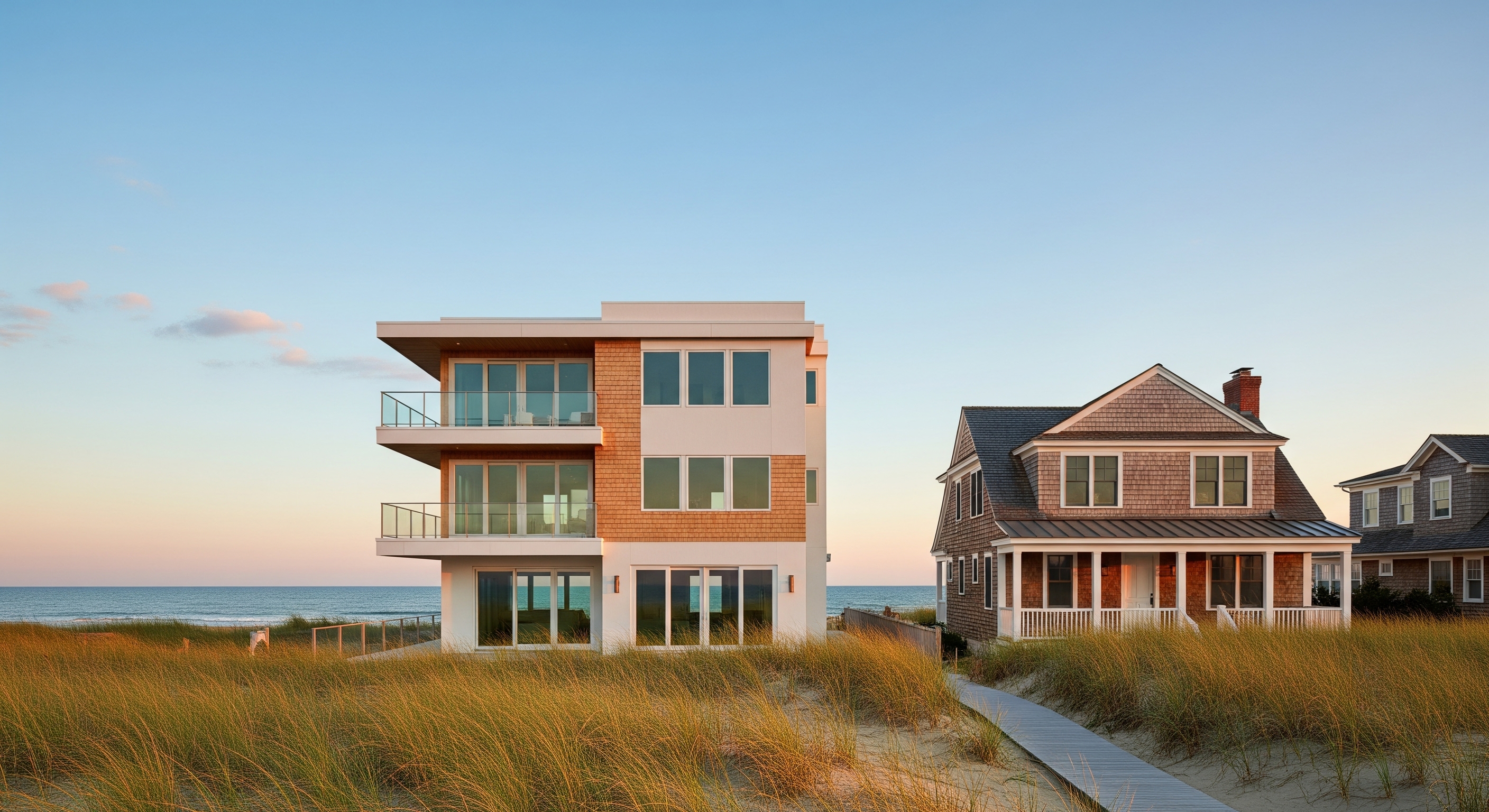
Should you buy a brand-new home or a resale in Virginia Beach? It is a big choice, especially in a coastal city where flood risk, military timelines, and neighborhood character can shape your investment. You want a clear picture of cost, timing, inspections, financing, and long-term value before you commit. This guide breaks down the pros and cons for Virginia Beach so you can choose with confidence. Let’s dive in.
Virginia Beach context you should know
Virginia Beach is unique. It blends oceanfront neighborhoods and inland suburbs, and it has a large military population that drives demand around PCS seasons. New-build activity depends on permit pipelines, lot availability, and builder economics, which can shift by submarket. You can review local permits to understand construction trends using the U.S. Census Building Permits Survey for place-level data.
Coastal risk matters here. Always check whether a property sits in a FEMA-designated flood zone and whether an elevation certificate exists. Start with the FEMA Flood Map Service Center, and review city requirements through the City of Virginia Beach Planning and Development Department. For regional resilience insights, the Hampton Roads Planning District Commission publishes coastal impact resources you can use to understand long-term risk.
New construction: what to expect
Key advantages
- Personalization of finishes and floor plan options within builder offerings.
- Modern systems that meet current code and may deliver better energy performance.
- Lower near-term maintenance with builder warranties that often cover workmanship and structural components.
- Predictable performance if the home is built to recognized efficiency standards.
Costs and tradeoffs to watch
- Higher base prices are common, especially where lots are scarce or elevated. Lot premiums add up for waterfront, cul-de-sac, or higher-elevation sites.
- Upgrades can push the final price above nearby resale comparables. Items like landscaping or window coverings may not be included in the base price.
- Location choices may mean longer drives to established amenities in developing areas or premium pricing for small infill lots.
- Timelines can shift due to permits, labor, weather, or supply chain. A spec or model home can shorten wait times but limits customization.
Financing and appraisal for new builds
Move-in ready new homes usually qualify for conventional, FHA, or VA financing. If you are buying pre-construction, you may need a construction or construction-to-permanent loan with staged draws and builder qualifications. VA loans can be used on new construction when lender and builder meet program rules. Review the Department of Veterans Affairs home loan guidance to understand requirements and timing.
Appraisals sometimes lag upgrades. When few recent comparable sales exist, appraisers may rely on older or less similar comps. Keep your option choices realistic for the neighborhood and be prepared to discuss value with your lender.
Inspections, warranties, and quality control
Even with city inspections and a builder warranty, hire an independent inspector at key milestones. Common checkpoints are a pre-drywall inspection and a detailed final inspection. Plan a focused punch-list walk-through with the site superintendent before closing.
Understand what the warranty covers, how to file claims, and any exclusions. The National Association of Home Builders offers general guidance on typical warranty scopes, though terms vary by builder.
Resale homes: what to expect
Key advantages
- Often a lower purchase price compared with nearby new builds.
- Established neighborhoods with mature landscaping and predictable comps for appraisal.
- Faster closing and earlier occupancy when the home is vacant or the seller is flexible.
Considerations and renovation reality
Resale homes can carry deferred maintenance. Roofs, HVAC systems, windows, or insulation may need attention within the first few years. If you want a modern layout or finishes, budget for renovation and plan for the disruption.
Older coastal homes can also hide moisture or pest issues. In flood-prone areas, confirm elevation certificates and insurance costs before you submit an offer.
Financing and timeline
Conventional, FHA, and VA financing is straightforward on resale, assuming the property meets condition standards. FHA is stricter on habitability, which can require seller repairs before closing. Resale timelines are usually shorter once you have loan approval.
Inspections and disclosures
- General home inspection with time for negotiations on repairs or credits.
- Lead-based paint disclosure for homes built before 1978.
- Specialized checks as needed, such as mold, wood-destroying organisms, and HVAC performance.
- Flood zone verification, elevation certificate review, and insurance quotes if near waterways.
Side-by-side: choose your best fit
- Cost: New often has a higher base price plus lot premiums and options, while resale may cost less up front but may need near-term repairs.
- Timeline: New can take months to a year or more. Resale can close quickly once financing is set.
- Customization: New allows selections during build. Resale requires remodeling after you move in.
- Energy and systems: New meets current codes and may include warranties. Resale may need upgrades to reach similar efficiency.
- Inspections and risk: New needs milestone inspections and punch-list review. Resale requires thorough inspection to uncover deferred issues.
- Financing complexity: New pre-construction can involve construction-to-permanent loans. Resale uses standard loans with plentiful comps.
- Insurance and coastal risk: New in flood zones may be elevated to current standards but costs more to build. Older coastal resale can face higher insurance premiums.
- HOA and amenities: New communities often have new HOAs and assessments. Resale HOAs usually have established fee schedules.
Neighborhood scenarios in Virginia Beach
Ocean-adjacent areas
In oceanfront and bay-adjacent pockets like North End or Sandbridge, flood zones and wind exposure require careful due diligence. New homes may need higher elevations and storm-resistant designs, which can raise costs. For both new and resale, confirm the flood zone and expected insurance costs using the FEMA Flood Map Service Center and city floodplain guidance.
Inland suburban areas
In areas such as Kempsville, Salem, or Princess Anne, you will find established subdivisions and periodic new infill or planned communities. New builds here can trade maximum lot size for modern layouts and low maintenance. Resale homes can offer larger yards or mature trees, with potential upgrades needed to match current energy standards.
Military PCS timing tips
- If your move is time-bound, resale often aligns better with a strict report date.
- For new construction, confirm the builder’s acceptance of VA financing and the process for appraisals and minimum property requirements. Use the VA’s official home loan resources for clarity.
- Ask about rate-lock timelines with your lender, especially if construction extends beyond the initial lock period.
- Plan for remote signatures and video walk-throughs if you are still out of state.
If you are selling near new builds
- Expect competition from builder incentives like rate buydowns or closing costs. Price strategically and highlight your lot, updates, and location benefits.
- Prepare documentation that builds buyer confidence, including service records, roof or HVAC ages, and flood elevation certificates where relevant.
- Disclose known nearby development plans so buyers understand the area’s trajectory.
Your next steps
- Define your timeline, budget, and must-haves, including flood and insurance comfort levels.
- For new construction, price out the base home, lot premium, and realistic options. Ask for the build schedule and warranty documents.
- For resale, budget for inspection findings and likely near-term system replacements.
- Get preapproved and discuss loan types, including construction-to-permanent if you are considering a build. Review VA eligibility if applicable.
- Verify flood zones and estimated insurance costs early in the process.
- Tour both options so you can compare location, finishes, and total cost of ownership side by side.
Ready to weigh new construction against the right resale opportunities with a local pro at your side? Connect with The Foundry Group for disciplined, end-to-end guidance on your Virginia Beach move.
FAQs
How much more does new construction cost in Virginia Beach right now?
- New homes often carry higher per-square-foot prices due to lot scarcity and options, while total costs vary by location, upgrades, and flood-related elevation needs. Compare line items for a true picture.
Can I use a VA loan for new construction in Virginia Beach?
- Yes, VA loans can finance new construction when the lender and builder meet VA rules; review the Department of Veterans Affairs home loan guidance for eligibility and steps.
How long does it take to build a new home in Virginia Beach?
- Timelines range from several months to a year or more, depending on permits, weather, labor, and supply chain. Spec homes can shorten the wait.
What inspections do I need for new construction in Virginia Beach?
- Schedule independent pre-drywall and final inspections, and confirm city code inspections. Review warranty terms and the punch-list process with your builder.
How does flood risk affect insurance and mortgages in Virginia Beach?
- Flood zones influence insurance availability and cost. Use the FEMA Flood Map Service Center to verify zones and work with the city’s floodplain resources to understand elevation requirements.
What warranties come with a new home in Virginia?
- Many builders offer a one-year workmanship warranty with longer coverage on structural components. Terms differ, so review the builder’s documents and consult NAHB resources for typical scopes.
Will buying in a new subdivision help my resale value in Virginia Beach?
- It depends on location, build quality, HOA health, and future supply. Early phases can see gains, while later phases may compete with your home. Established neighborhoods provide more predictable comps.
Are there local incentives for energy efficiency or solar in Virginia Beach?
- Check the DSIRE database for statewide incentives and Dominion Energy Virginia for potential utility programs that can reduce ownership costs.