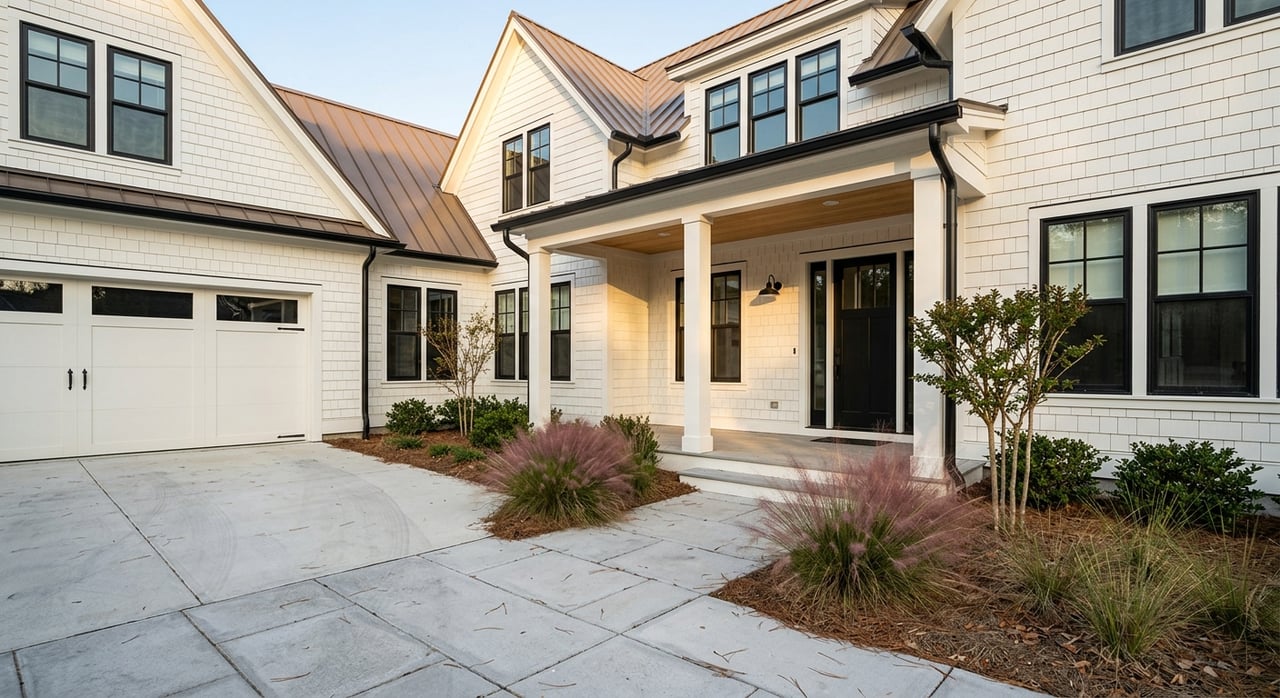
Trying to decide between a condo and a house in Norfolk? You are not alone. With our coastal setting, military moves, and a mix of walkable downtown living and beachside neighborhoods, the right choice depends on how you want to live and what you want to spend each month. In this guide, you will compare real costs, flood and insurance considerations, HOA rules, financing, and lifestyle fit so you can move forward with confidence. Let’s dive in.
Quick snapshot: condo vs. house
- Condos: Often lower purchase price, predictable exterior maintenance, and access to amenities. You trade private outdoor space for convenience and a monthly HOA fee.
- Houses: More privacy, yard and garage options, and freedom to customize. You take on full maintenance, which can be higher and less predictable.
- Norfolk factor: Flood risk, proximity to bases, and access to light rail and bus routes can tilt the decision based on your commute, insurance needs, and long‑term plans.
Total monthly cost
Purchase price is only part of the picture. Compare your full monthly cash flow: mortgage, property taxes, homeowners or condo insurance, HOA fees if applicable, utilities, and a maintenance reserve. Condos add an HOA fee that may include exterior care, amenities, and some utilities, which can stabilize costs. Houses shift that spending to you, and coastal weather can increase exterior upkeep.
Before you write an offer, request insurance quotes for both homeowners coverage and flood insurance, and review any HOA fee history. This helps you avoid surprises like special assessments or higher premiums in low‑lying areas.
Lifestyle and location
If you want a walkable routine, many condo options concentrate in Downtown, the NEON District, Ghent, and Freemason. You are close to restaurants, events, and The Tide light rail. Check the Hampton Roads Transit network to see if your commute aligns.
If you value a yard, a workshop, or direct beach access, single‑family areas like Ocean View, Willoughby, and East Beach offer more space and private outdoor areas. Suburban edges of Norfolk provide larger lots and garages, although you may rely more on your car for daily errands.
Flood risk and insurance
Norfolk sees recurring tidal flooding, and sea‑level rise is a long‑term planning factor for both condos and houses. Always check the property’s FEMA flood zone and recent flood history. Start with the FEMA Flood Map Service Center and consider long‑range context from the NOAA Sea Level Rise Viewer.
- Condos: The association carries a master policy on common elements. You will typically carry an HO‑6 policy for interior walls, personal property, and liability. If the building is in a flood zone or a lender requires it, flood coverage may be needed for the project and for your interior coverage.
- Houses: You will typically carry an HO‑3 policy and, if required by the lender or chosen by you, a separate flood policy. Review both National Flood Insurance Program options and private carriers. The National Flood Insurance Program guidance is a helpful starting point.
Tip: Request quotes for owners coverage and flood insurance before the inspection period ends, so you can confirm affordability.
HOA health and rules
If you lean toward a condo, the association’s governance and finances matter as much as location. Review the bylaws, CC&Rs, budget, reserve study, recent meeting minutes, and the master insurance policy. The Virginia Condominium Act outlines many of the rules that shape association operations.
- Financial health: Adequate reserves reduce the risk of special assessments. Coastal buildings may need higher reserves for bulkheads, elevators, or flood‑related repairs.
- Living rules: Confirm rental limits, pet policies, parking, storage, and any renovation restrictions. These rules affect both your lifestyle and resale.
Financing and resale
Lenders apply different standards to condo projects than to single‑family homes. If you plan to use a VA or FHA loan, confirm whether the project is approved early in your process. For VA loans, see official VA condominium approval guidance to understand what lenders look for.
- Condos: Project approval, owner‑occupancy ratios, and investor concentration can affect your loan terms and timing. In areas near bases, investor activity and rental demand can influence both financing and resale.
- Houses: Often attract a broader buyer pool, which can support resale. Condition, flood risk, and location remain key drivers of value.
Due‑diligence checklists
For condo buyers
- Review HOA bylaws, CC&Rs, budget, reserve study, master insurance policy, meeting minutes, and assessment history.
- Confirm HOA fees, what they cover, and any recent or pending increases or special assessments.
- Inspect building systems: roof age, exterior cladding, elevator maintenance, parking, storage, moisture or pest issues.
- Verify owner‑occupancy ratio, rental caps, and short‑term rental restrictions.
- Confirm loan program compatibility and whether the project is eligible for your financing.
- Obtain HO‑6 and flood insurance quotes and clarify what the master policy covers.
- Check FEMA flood zone, elevation certificates, and any flood history for the building.
For single‑family buyers
- Inspect roof, HVAC, plumbing, foundation, and flood mitigation measures.
- Evaluate drainage, grading, tree proximity, and bulkhead or seawall condition if waterfront.
- Review zoning, nearby development plans, and any city flood mitigation projects that may impact the area.
- Confirm FEMA flood zone, elevation certificates, and insurance premiums.
- Test commute times and services, and review utility providers and typical costs.
For sellers
- Condo sellers: prepare association documents, disclose fees, assessments, insurance details, and request an estoppel or equivalent letter early.
- House sellers: disclose flood history, structural conditions, permits, improvements, and compliance with coastal building requirements.
- Pricing strategy: consider how HOA fees impact a buyer’s monthly payment, and position your property against nearby options with different cost structures.
Who each option fits best
- Choose a condo if you prefer low‑maintenance living, elevator access or amenities, and a walkable routine near downtown or light rail. This can fit first‑time buyers, busy professionals, and investors who value rental demand near bases and employment centers.
- Choose a house if you want a yard, privacy, and freedom to customize, and you are comfortable budgeting for variable maintenance. This can fit growing households, hobbyists who need space, and long‑term planners who want more control over improvements.
Next steps
Your decision should balance day‑to‑day life, total monthly cost, and long‑term risk. Compare a few properties side by side, including insurance and HOA documents, and factor in commute and flood exposure. When you are ready, we can help you run the numbers, read the fine print, and negotiate with confidence.
Have questions about a specific building or neighborhood in Norfolk? Reach out to The Foundry Group for local, disciplined guidance from a veteran‑led team that understands military timelines, investor priorities, and smooth closings.
FAQs
Are condos usually cheaper than houses in Norfolk?
- Often the list price is lower, but compare total monthly cost that includes mortgage, taxes, insurance, HOA fees, and a maintenance reserve.
How does flood risk affect my decision in Norfolk?
- Flood zones can impact insurance requirements and premiums, lender approval, and long‑term upkeep. Check the FEMA Flood Map Service Center and consider NOAA sea‑level projections.
What insurance do I need for a condo versus a house?
- Condos typically need an HO‑6 policy plus any flood coverage required by lenders or the HOA. Houses generally require an HO‑3 policy and separate flood insurance if needed. See the National Flood Insurance Program guidance.
Can I rent out a Norfolk condo I buy?
- It depends on your association’s rules and city regulations. Review rental caps, minimum lease terms, and any short‑term rental restrictions in the HOA documents.
Will I qualify for a VA loan on a Norfolk condo?
- Many buyers do, but the condo project may need approval. Review the project’s status early and consult the official VA condominium approval guidance.